
Conference Presentations and Panels
Speaker bios and abstracts for Conference presentations and panels
Last updated 30 May 2026
Ricardo Bates-Sealy, “Drafting in the Disruption: Regulating the Legal Profession in the Age of Artificial Intelligence”
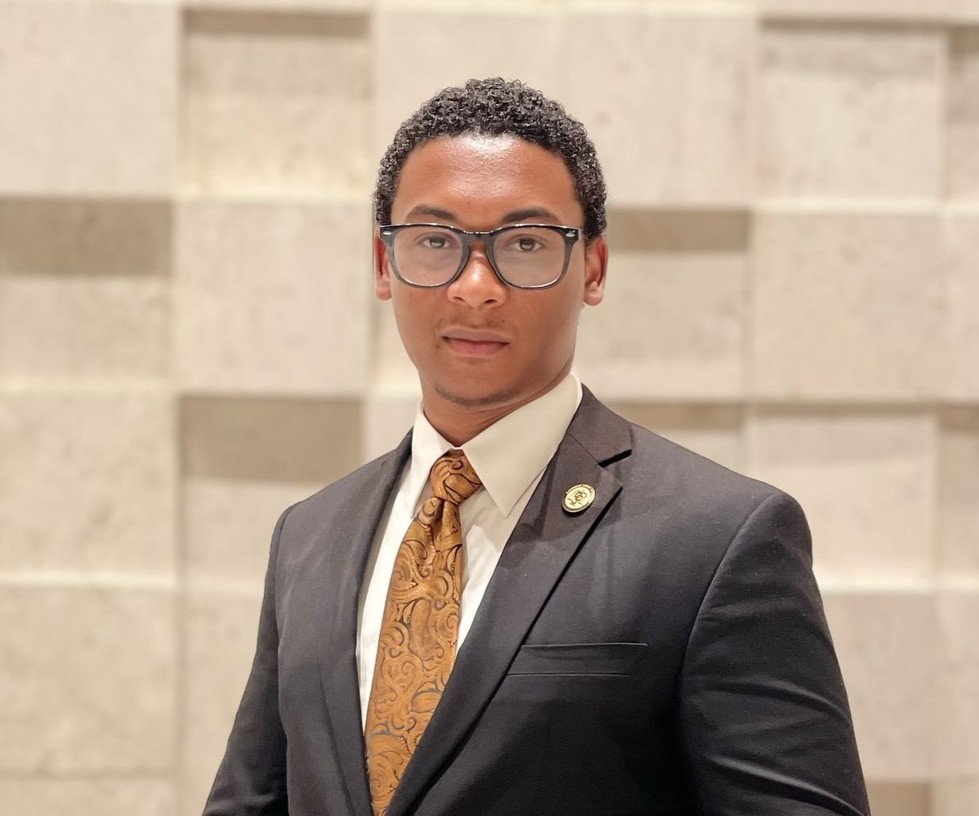
Ricardo Bates-Sealy
About the speaker
Ricardo Bates-Sealy is an Attorney-at-Law and State Counsel at the Law Reform Commission within the Office of the Attorney General of Barbados, where he works on legislative drafting, law reform, and legal policy. He contributed to the Draft Legal Profession Bill 2025, as well as other reform initiatives including criminal justice reform and the modernisation of criminal records rehabilitation legislation. He holds an LL.B. with First Class Honours from the University of the West Indies, where he studied Legislative Drafting and served as Editor-in-Chief of the Cave Hill Student Law Review. He completed the Legal Education Certificate at the Hugh Wooding Law School. He previously served as a Judicial Intern at the Caribbean Court of Justice, which issued the 2025 Practice Direction on Generative AI discussed in his paper.
About the presentation
Artificial intelligence is already present in Caribbean courtrooms, while the frameworks governing its use are proliferating more rapidly than legislation. This paper uses Barbados’s Draft Legal Profession Bill 2025 as a case study to examine how a small Commonwealth jurisdiction can regulate a profession being disrupted by AI in real time. Drawing on three Caribbean practice directions issued in 2025, regional disciplinary incidents in Trinidad and Tobago and the Bahamas, and international case law, the paper argues that technology neutral, principles based drafting, supported by a layered ethics framework and the doctrine of constructive knowledge, offers a more durable regulatory approach than codifying AI in statute. Legislation and court rules are complementary rather than competing: the Act provides the enforcement backbone, while court rules deliver the immediate operational response.
Heidi-Marie Boakye, “Professional Ethics and the Legislative Drafter: A Ghanaian Perspective”

Ms. Heidi-Marie Boakye
About the speaker
Ms. Heidi-Marie Boakye has been a Barrister and Solicitor of the Supreme Court of Ghana since 2007. She has since worked as a legislative drafter at the Legislative Drafting Division of the Office of the Attorney-General and Ministry of Justice of Ghana and is currently a Principal State Attorney.
She has been a Part-Time Lecturer in Legislative Drafting at the Ghana School of Law and a Guest Lecturer in Legislative Drafting at the International Law Institute in Kampala, Uganda. She is an Instructor of the Graduate Diploma Programme in Legislative Drafting at Athabasca University, Canada.
She holds a BA in French and Spanish and an MBA in Marketing, both from the University of Ghana. She also holds a Certificate in Law Reform from Public Administration International, London and an LLM in Advanced Legislative Studies from the Institute of Advanced Legal Studies, University of London.
About the presentation
The paper examines the legal framework that governs the professional ethics of legislative drafters in Ghana with particular emphasis on those employed by the Executive arm of Government. In Ghana, legislative drafters who work at the Office of the Attorney-General and Ministry of Justice draft both substantive and subsidiary legislation. Although there are no professional ethics which specifically refer to legislative drafters in the performance of their role, the paper examines the professional ethics which govern them as public sector lawyers who are members of the Legal Service and that which govern them as members of the legal profession.
Byron Clugston, “Incorporation of Australian Standards by Reference in NSW Legislation: Issues with Interpretation and Enforcement”

Byron Clugston
About the speaker
Byron is an Assistant Parliamentary Counsel in the NSW Parliamentary Counsel’s Office. His background prior to legislative drafting includes drafting Australian Standards and teaching academic philosophy.
About the presentation
In this paper I consider issues with the interpretation and enforcement of Australian Standards (Standards) in New South Wales (NSW). Although I focus on the NSW jurisdiction, some of my conclusions are general.
I ask four related questions –
How are Standards produced and used?
What is the place and role of Standards in NSW legislation?
What legal issues arise in connection with Standards?
Is there scope for improvement of how Standards are produced and used?
For (1), I consider how the production of Standards compares with the production of legislation, including the role of committees and drafting rules. For (2), I focus on NSW civil and criminal penalty provisions that refer to Standards. This leads in (3) to a consideration of what legal issues arise for the interpretation and enforcement of Standards. For (4), I consider my responses to (1) – (3) in light of the role and value of quasi-legislation more generally.
Mark Fisher, Michelle Chua and Alvaro Vigil, “Annotated Statutes and Statutory Dictionary: Upcoming features in Singapore’s LawNet”

Mark Fisher
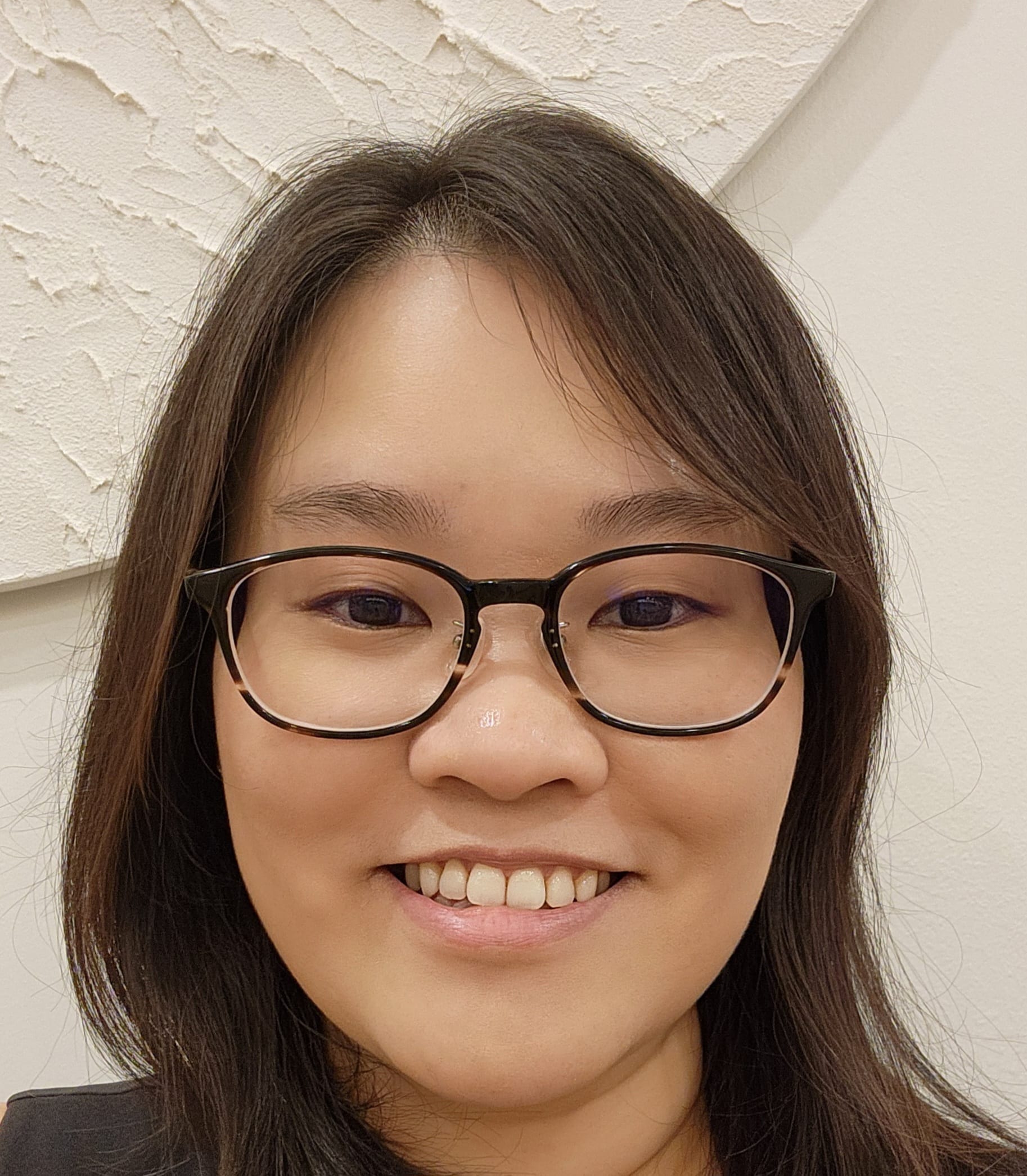
Michelle Chua

Alvaro Vigil
About the speakers
Mark Fisher
Executive Director, Legal Research, Singapore Academy of Law
Mark is a legal researcher specialising in the development of generative AI tools for LawNet, the leading research platform for Singapore law.
Previously, Mark practiced complex litigation in Australia for both international (Jones Day) and domestic (Clayton Utz) law firms, particularly matters regarding securities litigation and matters involving private international law.
Mark is also the Executive Director of the Asian Business Law Institute (ABLI), a think-tank dedicated to the promotion of the convergence of business laws in Asia.
Michelle Chua
Senior Assistant Director, Legal Research, Singapore Academy of Law
Michelle is a legal researcher specialising in the development of generative AI tools for LawNet, the leading research platform for Singapore law.
Previously, Michelle practiced as a litigation lawyer in Singapore, with experience in a wide range of commercial and civil disputes, before serving as a Senior Regulatory Counsel at the Law Society of Singapore, where she was involved in the regulation of legal practitioners. She also has experience as a commercial in-house counsel.
Alvaro Vigil
Senior AI Solutions Architect, LawNet Technology Services
With over 22 years of experience in IT across industries such as healthcare, education, banking, IT consulting, legal, marine shipping, and telecommunications, Alvaro is a seasoned expert in driving innovation through data, analytics, and AI. For the past 8 years, he has specialised in leading AI and data-driven initiatives, designing and implementing solutions that bridge business objectives with customer needs.
Alvaro brings a strong cross-cultural perspective, having worked extensively across South America, Europe, and Asia, building impactful solutions and strong stakeholder relationships in diverse environments.
About the presentation
This presentation is by the Singapore Academy of Law (SAL), a statutory body whose responsibilities include developing Singapore's legal industry. SAL operates LawNet, Singapore's leading portal for legal research.
During this presentation, we will be showcasing two of our upcoming LawNet features:
Annotated Statutes that furnish AI-generated legal principles—based on relevant cases—for each statutory provision in Singapore’s Companies Act.
A Statutory Dictionary that provides users with a way to search for defined terms across all statutes.
Ben Fraser, “What to except when you're excepting: drafting exceptions to offences”
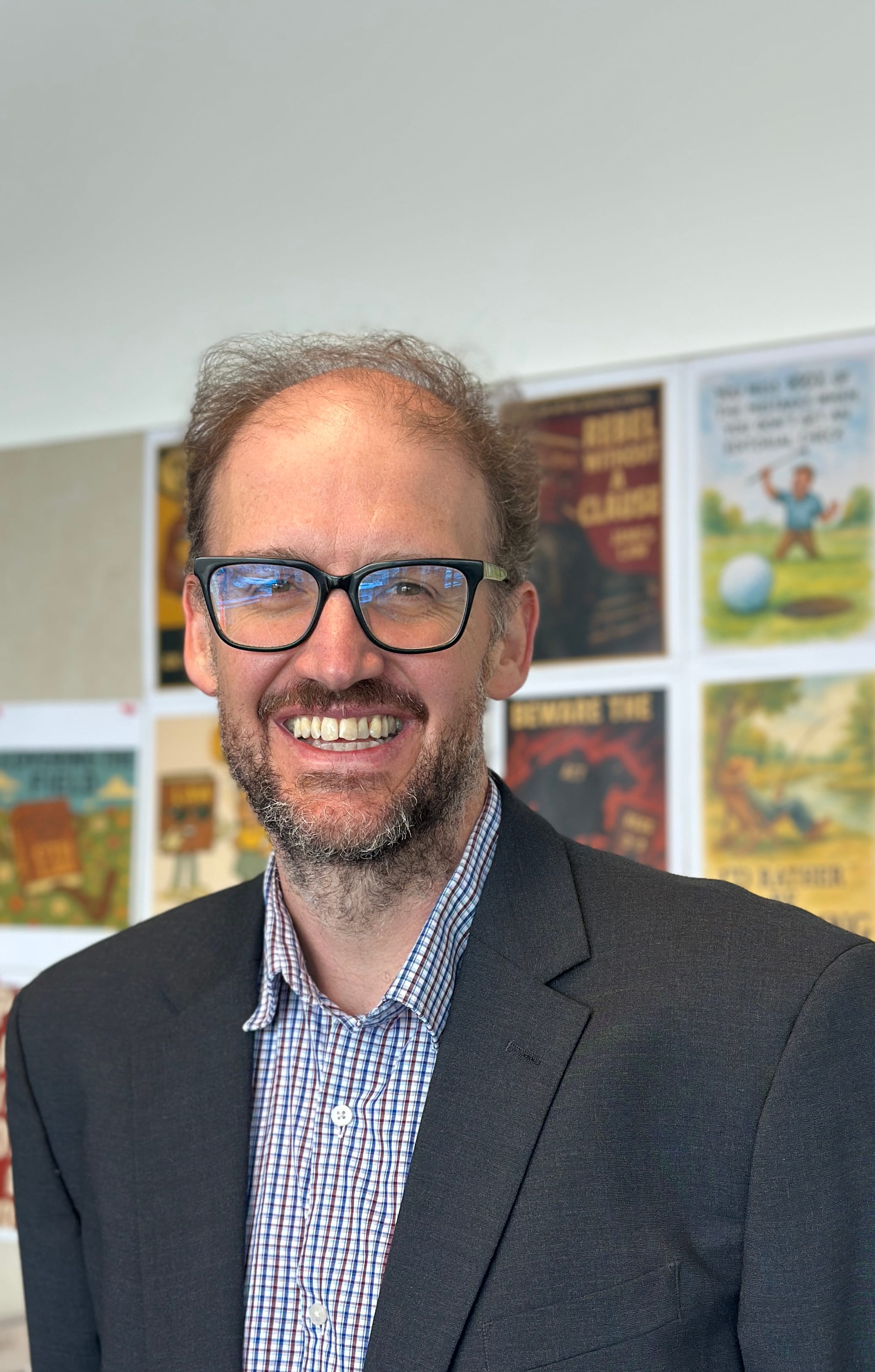
Ben Fraser
About the speaker
Ben Fraser is a Senior Assistant Parliamentary Counsel at the Parliamentary Counsel’s Office of Western Australia. He started working as a drafter in the Office of the Queensland Parliamentary Counsel in 2011; he has worked in Western Australia since 2017. He completed a Master of Public and International Law at the University of Melbourne. He has written articles published in the Loophole in 2019 and in the Public Law Review in 2020. He presented at CALC Conferences and Regional Conferences in 2019, 2022, 2023 and in 2025. He also presented at the Pacific Island Law Officer’s Network Legislative Drafter’s Conference in 2025. He has been the CALC Australasia/Pacific representative since 2024.
About the presentation
Drafting clear and easy-to-understand offences is at the heart of a drafter’s work. One of the questions that a provision creating an offence should answer is who bears the burden of proof. The golden thread of the common law is that the prosecution bears the burden, subject to “statutory exception” (and the presumption of sanity): Woolmington v Director of Public Prosecutions [1935] AC 462, 481. The rule is codified in many CALC jurisdictions, including the Evidence Act 1893 (Singapore).
This presentation explores the law of statutory exceptions to offences. The presentation discusses the difficulties Australian courts have had in trying to ascertain whether a provision is part of the offence or a statutory exception to it.
The presentation also sets out practical drafting techniques on how to make it clear that a provision is an exception that reverses the legal burden of proof. It will also set out ways to reverse the evidential burden only, and, crucially, how to make it clear that a provision does not reverse the legal or evidential burden.
Manfred Kohler, “Regulating as a Global Activity – State of Play and Trends”
Manfred Kohler
About the speaker
Manfred Kohler is the founder of the Regulatory Institute (www.howtoregulate.org), an independent consultant for law-making and member of the CALC artificial intelligence working group. He has spent most of his career at the European Commission, mainly by revising over 100 UNECE regulations on motor vehicles, the EU law on medical devices and on construction products. Via internal consultations and as internal consultant, he has contributed to dozens of other pieces of EU legislation. In parallel to his assignments, he inventoried the regulatory techniques used in EU legislation and worldwide. From late 2010 to early 2014, he trained over 300 colleagues in regulatory techniques. Manfred also developed a working method for legislative drafters and lawmakers, laid down in the Handbook “How to Regulate?”. He developed, drafted or contributed to most of the tools and articles accessible at www.howtoregulate.org. Since 2023, he also regularly contributes methodological papers to CALC conferences and The Loophole.
About the presentation
This presentation aims to provide a global overview of our shared enterprise — the establishment of regulation. The presentation covers the following: the evolution of subject matters; the selection of subject matters; the volume, length and granularity of regulatory instruments; the number of policy and regulatory elements contained within them; drafting and elaboration methods; knowledge bases; and the cultural and jurisdictional influence zones that shape regulatory practice. The presentation concludes by identifying areas where the rationality and coherence of our common regulatory enterprise might be enhanced.
Pradeep Kulshresth and Sanya Yadav, “Traversing the Reforms and the Future legislation of International Investment Law for Treaty Arbitration”
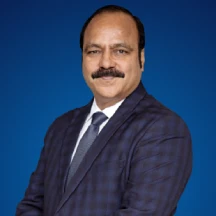
Prof. (Dr.) Pradeep Kulshreshtha
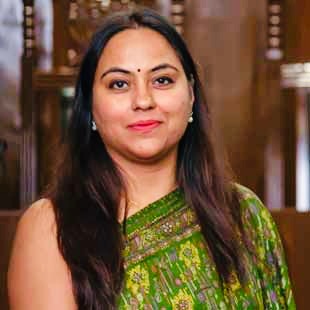
Dr. Sanya Yadav
About the speakers
Prof. (Dr.) Pradeep Kulshrestha, Dean, School of Law, Bennett University, India
Prof. (Dr.) Pradeep Kulshreshtha, Dean, Bennett School of Law is the senior academician with over 30+ years of extensive expertise in academic affairs, legal research & advisory services. He is an alumnus of Kurukshetra University and Jodhpur University. He has been awarded Honorary Doctorate (Law) by National American University, South Dakota, USA for his contribution to the field of legal education. He is also a recipient of the UP-Government merit scholarship. He has authored and edited 25+ books, 50+ research papers and conference papers. He has successfully guided many PhD scholars. His teaching and research interests include Constitutional Law of India, Comparative Constitution, Comparative Public Law, Criminal Justice and Human Rights, Law of Tort, Consumer Protection Laws, Labour Laws, Industrial Relations, and Clinical legal education.
Dr. Kulshreshtha has served academic and government bodies of several universities and is a Lifetime Member of Indian Law Institute and distinguished Member of International Council of Jurist, London. He was honoured with the Icon of the Year (Law) award 2025.
Dr. Sanya Yadav, Asst. Professor, Bennett University, India
Dr. Sanya Yadav is an emerging scholar in the field of law with a strong interdisciplinary focus on International Trade Law, Investment Law, Human Rights and Contract Law. She is currently working as Assistant Professor at School of Law Bennett University, India. She has more than decade of teaching and research experience. Dr. Yadav has completed her Ph.D. from National Law University, Jodhpur, Rajasthan in 2021. Dr. Yadav holds LL.M.(Hons.) degree in International Trade Law (Gold Medallist) from National University of Advanced Legal Studies Kochi, Kerala. She has been awarded as First Rank holder in LL.M. (Hons.) degree. The Nani. A. Palkiwala Memorial Trust Mumbai selected Dr. Yadav for the prestigious Nani. A Palkivala Endowment Gold Medal Award on her outstanding academic excellence in LL.M. She has also completed the course on International Law and Arbitration from Ankara, Turkey. Dr. Yadav has an extensive and impactful publication record comprising research papers and book chapters in reputed Scopus, Web of Science. Dr. Yadav has edited 5 Books, 42 Research Paper including book chapters and more than 70 paper presentation in national and international conferences. Dr. Yadav has a remarkable record of participation and presentation in international and national conferences across countries such as Prague, Slovenia, Georgia, Turkey, United Kingdom, Vienna, Oxford, Hongkong. Dr. Yadav Received Young Faculty 2023 Award Centre for Education Growth and Research (Think Tank), New Delhi during the Second Summit on Vision 2047 in Education held on 18th April 2023. In addition to her academic and research accomplishments, Dr. Yadav has received several awards and recognitions in paper presentation. Her leadership roles, including convenorship of moot court, further highlight his administrative and academic leadership capabilities.
About the presentation
The landscape of arbitration procedure in international investment treaties through “Investor State Dispute Settlement (ISDS)” has witnessed significant developments in the last decade. The research analyses the need to replace such IIAs legislations and highlights on the various bilateral investment treaties (BITs) and India Model 2016 which includes provisions with ISDS reforms.
The new generation investment treaties aim to safeguard the state rights to regulate while protecting the interests of the investors and act as the catalysts to promote sustainable investment. The research evaluates the most prominent decisions given by arbitral tribunals in the recent past and specific cases and jurisdictions where IIA arbitration reform measures have been adopted and the outcomes are studied.
Charles Lim Aeng Cheng, “Legislative Drafting for a World Transformed by Technology & Social Media”

Charles Lim Aeng Cheng
About the speaker
Charles Lim Aeng Cheng is currently the Principal Senior State Counsel of the Legislation Division of the Attorney-General’s Chambers and a Law Revision Commissioner. He was the Parliamentary Counsel in charge of the legislative drafting and law reform divisions and the Chief Knowledge Officer.
Charles served on the Advisory Council on Impact of New Media on Society, the National Internet Advisory Committee and the Commonwealth Expert Working Group on Legal Aspects of IT and the Related Law of Evidence (London, 2000 and 2002). He co-chaired the Singapore Academy of Law’s (“Academy”) Sub-Committee on the Legal Implications of Robotics and Artificial Intelligence. He is also a Vice-Chair of the UNESCO Intergovernmental Bioethics Committee.
Charles read law at Cambridge University (1976-1979). He was awarded the IT Leader Award by the Singapore Computer Society in 1999 for contributions to the legislative framework for E-Commerce. The Academy conferred on him its Merit Award (2008) and Singapore Law Award (2024) for contributions to the development of Singapore Law.
About the presentation
This paper shares some pointers and suggested approaches to the drafting of new and innovative laws relating to transformative technology (e.g. Gen AI and Blockchains) and social media in regulatory and civil liability contexts. How can drafters help strike a balance (1) between freedom of expression and protecting individual victims and (2) between precision and stifling innovation ? How do legislative drafting techniques of “technology neutrality” and “legislative agility” work in the face of agentic AI, deepfakes, cancel culture campaigns and driverless vehicles? What can drafters do when AI disrupts fundamental concepts of liability, responsibility and fault attribution? Are court processes and remedies still relevant for social media where trollers are anonymous and online harms go viral? Are there alternative solutions without resorting to court processes? Illustrations will be drawn from recent legislation in Singapore as well as leading Commonwealth jurisdictions.
David Marcello, “Expanding the Drafter’s Role in an Authoritarian Age”

David Marcello
About the speaker
David Marcello is Executive Director of The Public Law Center at Tulane Law School, where he teaches Legislative and Administrative Advocacy to second and third-year law students. Since 1995, the Center has conducted a two-week International Legislative Drafting Institute with approximately 900 graduates from 100+ countries. Mr. Marcello has trained legislative drafters and parliamentary members in Bulgaria, the Dominican Republic, the Republic of Georgia, Kosovo, Moldova, Mongolia, the Netherlands, Nigeria, Puerto Rico, South Africa, Switzerland, Uganda, and Vietnam. He is a Phi Beta Kappa graduate of Williams College and graduated Order of the Coif from Tulane Law School.
About the presentation
A Tulane Law Review article on “The Ethics and Politics of Legislative Drafting” challenges the stereotypical view of drafters as neutral “scribes” who faithfully convert legislative policy to text, describing instead how the drafter’s subjectivity is inescapably part of the drafting process and inevitably influences the text. The 1996 article nevertheless embraced “neutrality” as an ideal goal for drafters, who should strive to realize policy as directed by members.
Now, 30 years later, in an authoritarian age when the rule of law and foundations of representative democracy are under assault, it’s time to reconsider drafters’ subordination to the direction of members and their relative passivity in the policy-making side of legislation.
Today’s circumstances call for a more robust “partnership” between drafters and members in which drafters supply text—perhaps multiple texts—that go beyond instructions to provoke policy discussions at the drafter’s initiative. These ideas obviously precipitate significant ethical questions, which will also be addressed.
Lucy Marsh-Smith, “Legislating in a changing office: how Jersey’s Legislative Drafting Office has adapted and innovated to remain a model for other small jurisdictions”
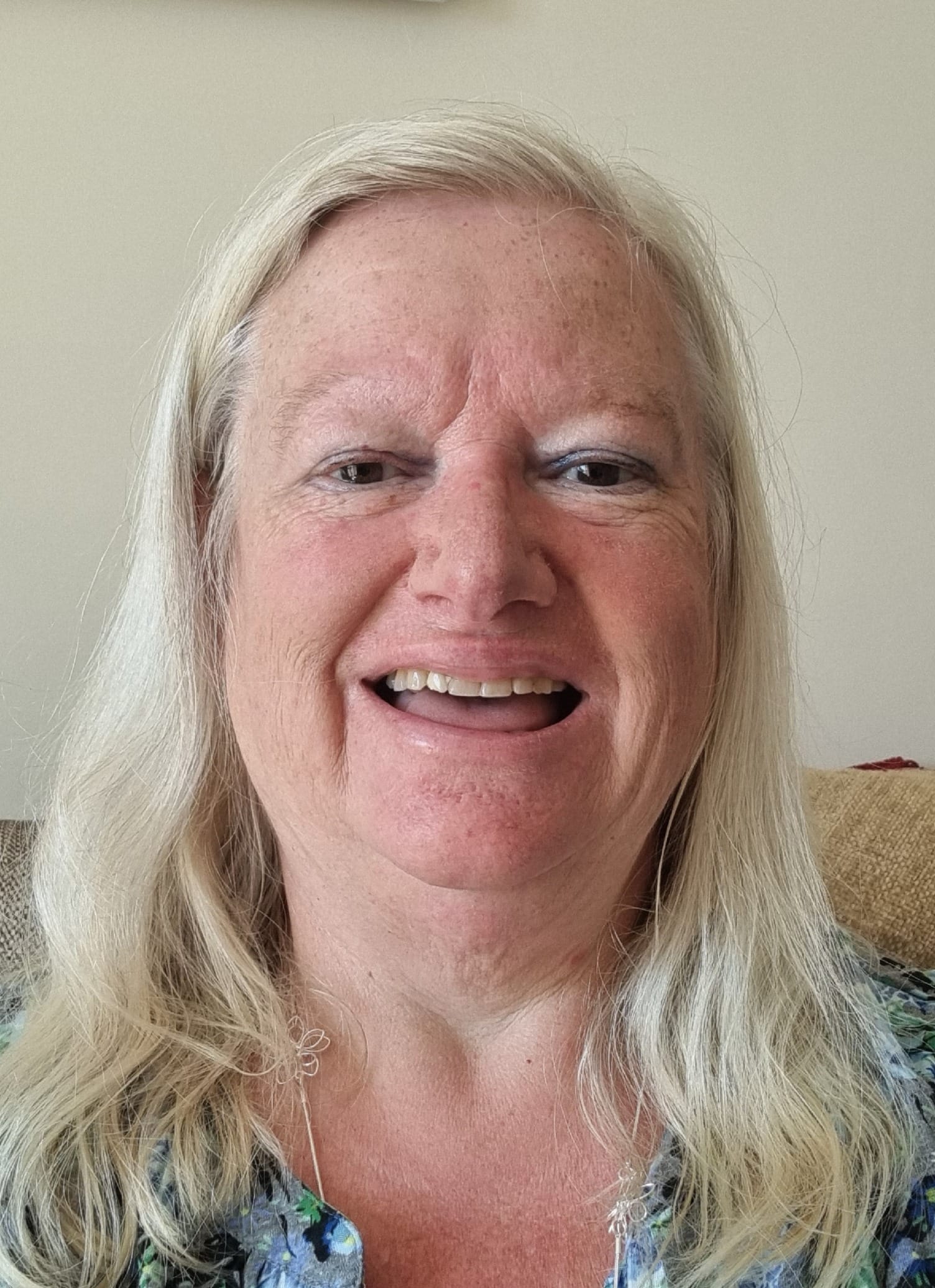
Lucy Marsh-Smith
About the speaker
Lucy Marsh-Smith is a UK-trained lawyer who started her career in the UK Government Legal Service. Her move to Jersey in 1996 led to a career in legislative drafting. She later moved into management, leading the Isle of Man drafting team 2008-13 and the Jersey Office since 2018. Lucy enjoys mentoring and teaching drafters and runs courses for the Civil Service College in London as well as acting as a tutor for the graduate diploma in legislative drafting at Athabasca University. She has a master’s degree in public law from London University and one in Jersey law from the Institute of Law in Jersey. She was a Council Member of CALC for the Europe Region for more than a decade.
About the presentation
Having just celebrated 30 years since first coming to Jersey as a drafter, Lucy Marsh-Smith, who has headed the drafting office for over 8 years, looks back on the seismic changes in the way Jersey produces and publishes its legislation. Her presentation will touch on:
Drafting style: how we keep up with plain English.
Recruiting an editorial team and trainee drafters.
Setting standards: how we look to raise the quality of our drafting and train our instructing officers.
Law Revision and consolidation: from annual updates to point in time.
Our evolving drafting template, other developing technologies and the Computer-Readable Legislation Project.
Eamonn Moran, “Drafting Delegation Provisions: Tricks and Traps”

Eamonn Moran PSM KC SBS
About the speaker
Over the course of a long career, Eamonn has worked as a legislative counsel, as a solicitor, as a barrister, as a law reform commissioner, as an instructor in legislative drafting, as a member of various ministerial advisory committees and, from January 2018 to January 2025, as the head of the then Victorian Inspectorate (now called Integrity Oversight Victoria), a body that oversees Victoria’s anti-corruption body as well as other integrity entities.
He was Chief Parliamentary Counsel in Victoria between 1999 and 2008 and from then until June 2012 was Law Draftsman in Hong Kong. Eamonn received a Public Service Medal in Australia in 2005 for service to legislative drafting and public law and the promotion of plain legal language and in 2012 was awarded by the Hong Kong government a Silver Bauhinia Star (SBS) for dedicated service in law drafting in Hong Kong and his contribution to the development of plain language drafting in Hong Kong.
Eamonn is co-author of Modern Statutory Interpretation: Framework, Principles and Practice published in 2023 by Cambridge University Press.
Eamonn was appointed Queen’s Counsel (now King’s Counsel) in Victoria, Australia in 1998.
He was President of the Commonwealth Association of Legislative Counsel from 2007-2011 and President of Clarity International from 2016-2018.
About the presentation
In this paper Eamonn Moran discusses the important role delegation provisions play in public administration, looks at how Interpretation legislation can support their drafting and canvasses an issue about the scope of delegations that potentially might cause decision-making by delegates to be challenged.
Kiratipong Naewmalee, “Evidence-Based Lawmaking: Comparative Insights from the Commonwealth and the Lessons to Enhance Thailand’s Legislative Drafting Framework”

Dr. Kiratipong Naewmalee
About the speaker
Dr. Kiratipong Naewmalee serves as Senior Research Fellow at the Thailand Development Research Institute (TDRI), where his work centers on advancing legal development and reform. His expertise spans regulatory modernization, public governance, and institutional reform, reflected in his published research and advisory roles. He also holds judicial appointment as an Associated Judge at the Central Intellectual Property and International Trade Court of Thailand, and contributes to national policy as a member of the Subcommittee for the Office of the National Broadcasting and Telecommunications Commission of Thailand, as well as the Fast Track Regulatory Reform for the Capital Market.
A recognized advocate of legal modernization, Dr. Naewmalee is frequently invited to lecture at leading Thai universities and to provide expert commentary on regulatory reform and governance. He earned his Ph.D. in Law from the University of Wollongong, Australia, an LL.M. in International Investment Law from the University of Ottawa, Canada, and an LL.B. from Ramkhamhaeng University, Thailand.
About the presentation
Regulatory Impact Assessment (RIA) has emerged as an essential instrument of evidence-based policymaking, ensuring that laws are not only well-intentioned but also practical, economically efficient, and socially accountable. Without RIA, legislative processes risk producing regulations disconnected from economic realities, imposing unnecessary burdens on businesses and citizens, and eroding public trust. Recognizing these risks, Thailand constitutionalized RIA under Section 77 of the 2017 Constitution and further formalized the requirement through the 2019 Act on Legislative Drafting and Evaluation of Law, mandating impact analysis and public consultation prior to the enactment of both primary legislation and subordinate regulations.
This article examines Thailand’s RIA framework in comparative perspective with three high-performing Commonwealth jurisdictions — the United Kingdom, Australia, and Canada — all of which score above the OECD average in RIA quality, oversight, and transparency. The comparative analysis covers six key dimensions: legal basis, scope, methodology, consultation, transparency, and oversight bodies.
The findings indicate that Thailand’s constitutional foundation is robust and its institutional framework broadly consistent with OECD principles. However, some gaps remain in analytical rigor, oversight capacity, consultation depth, and the disproportionate ex ante review framework, which imposes costs incommensurate with regulatory impacts. Some key lessons emerge from international practice: adopting Australia’s tiered quality-rating system and mandatory cost quantification; strengthening independent scrutiny of options and impact assessments through a body modeled on the UK’s Regulatory Policy Committee, supported by threshold-based triggers to concentrate resources on high-impact regulations; and incorporating Canada’s inclusive Gender-Based Analysis Plus framework alongside extended consultation periods. Addressing these shortcomings would significantly enhance Thailand’s evidence-based regulatory governance and overall efficiency.
Shaquille Newton, “Operationalizing Legislative Quality: A comparative analysis of drafting techniques used in Barbados, the United Kingdom and New Zealand”

Shaquille Newton
About the speaker
Shaquille Newton is an Attorney-at-Law and legislative drafter from Barbados with drafting experience across a breadth of areas including public law, intellectual property law, and renewable energy law. Currently, in his role as a Senior Legal Adviser in the United Kingdom’s Foreign, Commonwealth and Development Office (FCDO) he focuses on legislative reform to the criminal justice systems in the Commonwealth Caribbean. He was a Parliamentary Counsel in the Office of the Chief Parliamentary Counsel in the Attorney General’s Chambers of Barbados for five years.
Shaquille holds an LL.M. with Distinction in Drafting Legislation, Regulation and Policy from the University of London, which he pursued as a Chevening Scholar. He also holds an LL.M. in Corporate and Commercial Law and an LL.B. both from the University of the West Indies, the Legal Education Certificate from the Hugh Wooding Law School, and the Certificate in Consolidation of Laws from the Regional Law Revision Centre, Anguilla. He has published in the fields of legislative drafting, law reform and legisprudence with his scholarly work appearing in The Loophole and the European Journal of Law Reform, among other publications.
About the presentation
This paper examines how the drafting conventions used in Barbados, the United Kingdom and New Zealand contribute to legislative quality (i.e. effective legislation). Drafting conventions such as legislative structure, purpose clauses, plain-language and gender neutral drafting in the three jurisdictions will be analysed comparatively to illustrate how these conventions contribute to legislative quality.
Anthony North, Matthew Jolley and Penney Lewis, “Law Reform Agencies and the role of Legislative Drafting”

The Hon. Anthony North KC

Matthew Jolley

Professor Penney Lewis
About the speakers
The Hon. Anthony North KC
The Chairperson of the VLRC is the Hon Tony North KC. Mr North is a former judge of the Federal Court and the Supreme Court of the Australian Capital Territory. Admitted to the Victorian Bar in 1976, he was appointed Queen's Counsel in 1989. In 1995, Mr North was made judge of the Federal Court of Australia, where he served until his retirement in 2018. He also served, from 2004, as additional judge of the Supreme Court of the ACT. During his time as judge, Mr North presided over cases involving constitutional and commercial law, industrial and employment law, taxation, intellectual property and native title. He holds a Bachelor of Arts and Bachelor of Laws with Honours from the University of Melbourne and a Master of Laws from the University of London. In January 2024 Mr North was appointed a Commissioner of the Yoorrook Justice Commission and took leave from the VLRC to fulfil that role until March 2025. He was appointed President of the Commo nwealth Association of Law Reform Agencies in 2025.
Matthew Jolley
Matthew Jolley qualified as a solicitor in 1998 at Linklaters, London, where he worked as a Managing Associate specialising in trusts, charities and private client law. He joined the Law Commission of England and Wales in 2003 as Manager of the Property, Family and Trusts team. He worked on trust law reform before leading the team’s projects on a wide range of areas including cohabitation, intestacy and wills, land registration, weddings, charities, residential leases and financial remedies on divorce. Since 2019 he has acted as Head of Legal at the Commission, working with the Chair, CEOs and Commissioners on a range of strategic issues, and is responsible for the Commission’s international engagement. He sits as a judge in the Mental Health Tribunal.
Professor Penney Lewis
Professor Penney Lewis joined the Law Commission of England and Wales as Commissioner for Criminal Law in 2020. Since arriving at the Commission, she has completed projects on the Protection of Official Data, Search Warrants, Misconduct in Public Office, Modernising Communications Offences, Hate Crime, Corporate Criminal Liability, Confiscation of the Proceeds of Crime, Intimate Image Abuse and Evidence in Sexual Offences Prosecutions. Recommendations from four of those projects have been recently implemented by Parliament; recommendations from six of them are currently before Parliament. Her current projects include Criminal Appeals, Contempt of Court and Homicide. She is also a Member of the Home Office’s Science and Technology Ethics Advisory Committee.
Previously she was Professor of Law and Co-Director of the Centre of Medical Law and Ethics in the Dickson Poon School of Law, King’s College London and a Member of the Human Tissue Authority.
The speakers in this presentation are from the Commonwealth Association of Law Reform Agencies.
About the presentation
The Commonwealth Association of Law Reform Agencies represents law reformers from around the world and is holding its conference in Singapore directly before the CALC conference. This presentation will explore the role of legislative drafting in law reform. In some jurisdictions, law reform agencies work with drafters during the course of reform projects, publishing draft legislation alongside recommendations for reform. Other agencies take a different approach, focusing on solely on recommendations for reform and leaving it to Government to produce legislation when implementing those recommendations. The presentation will explain, and explore the merits of, each of these approaches.
Genevieve Parke, “Drafting to Criminalise Misogyny”

Genevieve Parke
About the speaker
Raised in Northern Ireland, Genevieve read law at Trinity College Dublin and the London School of Economics. She was called to the Bar of England and Wales in 2006 and practised as a barrister in London for 13 years, latterly, as a member of the Attorney General’s Panel, representing various UK Government departments in a range of civil litigation. Having married a Scot and moved to Edinburgh, she became a drafter in 2019 when she joined the Scottish Government’s Office of Parliamentary Counsel, where she has remained since. She qualified as a solicitor in Scotland in 2025. She has been involved in teaching law at Queens University Belfast, the London School of Economics and Edinburgh University. In addition to her drafting work, she delivers training on statutory interpretation and runs her office’s exchange programmes with other UK and Irish drafting offices.
About the presentation
As misogyny surges in public discourse, especially online, calls for a legislative response grow, but drafting such legislation is challenging. In the context of the recent UN Women report on the escalation of online violence against women in the public sphere, this presentation will outline possible models for criminalising misogyny, referring to real world examples, including the Singaporean Harassment Court, the Online Criminal Harms Act 2023 and the recent Online Safety (Relief and Accountability) Act 2025. It will consider the challenges in drafting to criminalise misogyny including issues around the meaning of “sex” and “gender”.
Ross Pey, “Default Interpretive Rules in a Changing World”

Ross Pey
About the speaker
Ross specialises in statutory interpretation (including comparative statutory interpretation) at the University of Western Ontario. His thesis maps the current approach to statutory interpretation in the UK, including the nature of bilingual interpretation in Wales. In Edinburgh, he analysed the interpretation and operation of Brexit legislation. Additionally, Ross retains an interest in tax law (specifically tax avoidance and interpretation) and the conflict of laws. Ross held visiting posts at the University of Cambridge, Yong Pung How School of Law (Singapore Management University), and the National University of Singapore. Ross is also appointed as the UK national report for European Collaborations on the conflict of laws and tax interpretation.
About the presentation
Legislation has to deal with all sorts of eventualities. Often, a statute, potentially of high vintage, is invoked in uncontemplated situations. Examples include technological developments, conflicting statutes, and the invocation of forum statutes in a conflict of laws context. From the UK case law, an a priori classification does not seem relevant. Rather, the approach is the normal purposive approach. This presentation discusses how the UK courts have relied on a statute’s text, context, and purpose to resolve examples of uncontemplated scenarios, such as technological developments, conflicting statutes, and the use of statutes in the choice of law context.
Mason Stott, “Legislative Reform to Foster a Sustainable Orbital Launch Industry”

Mason Stott
About the speaker
Mason Stott is a lawyer with the Province of Saskatchewan's Ministry of Justice's Legislative Drafting Branch, in Regina, Saskatchewan, Canada. He obtained his Juris Doctor (2019), LLM (2022), and Bachelor of Commerce (2015) from the University of Saskatchewan, and his Master of Public Policy from the University of Calgary (2016).
About the presentation
Orbital rocketry is a type of economic, engineering, and scientific activity that is new to many countries and there are uncertainties about how to properly legislate and regulate in this area. In this presentation, Mason Stott will review the comparative analyses he undertook as part of his LLM thesis, wherein he investigated the United Nations five multilateral space law treaties from the 1960s and 1970s, as well as foreign legislative schemes from multiple countries, and other space-related legislation from Canada, to gain valuable ideas on how to legislate in this area. His reviews provide solid foundational content that any country new to orbital launching can use to effectively legislate on the matter in a way that draws potential investment and business opportunities into a country, but also in a sustainable and responsible manner while upholding national security and defence interests, respecting international law, and protecting the environment, property, and human health and safety.
Archie Zariski, “The Development of Plain Language Drafting Culture: Australia, Canada and New Zealand”

Archie Zariski BA, LLB, LLM, GDip HEd
About the speaker
Archie Zariski BA, LLB, LLM, GDip HEd, is Professor of Legal Studies and Director of the Graduate Diploma in Legislative Drafting at Athabasca University. After practicing as a litigator in Alberta, Canada he pursued a second career as a legal academic at Murdoch University Australia and the University of Alberta and Athabasca University in Canada. His research and writing spans the areas of alternative dispute resolution, legal education, and legislative drafting.
About the presentation
The development of plain language drafting has required culture change in drafting offices. This presentation explores the drivers of such change including political will and the leadership of senior legislative counsel. Where both are stronger the philosophy and practice of plain language drafting has developed to the greatest degree exemplified by what I call "plain language+". Plain language+ goes beyond simplicity and clarity of style to include explicit aids to understanding and use of legislation that traditionally were not included in legislative text. Accessibility is now the touchstone of plain language legislation.
Panel: Drafting and the art of negotiation in a changing world

Ms Shawn Raine Belle
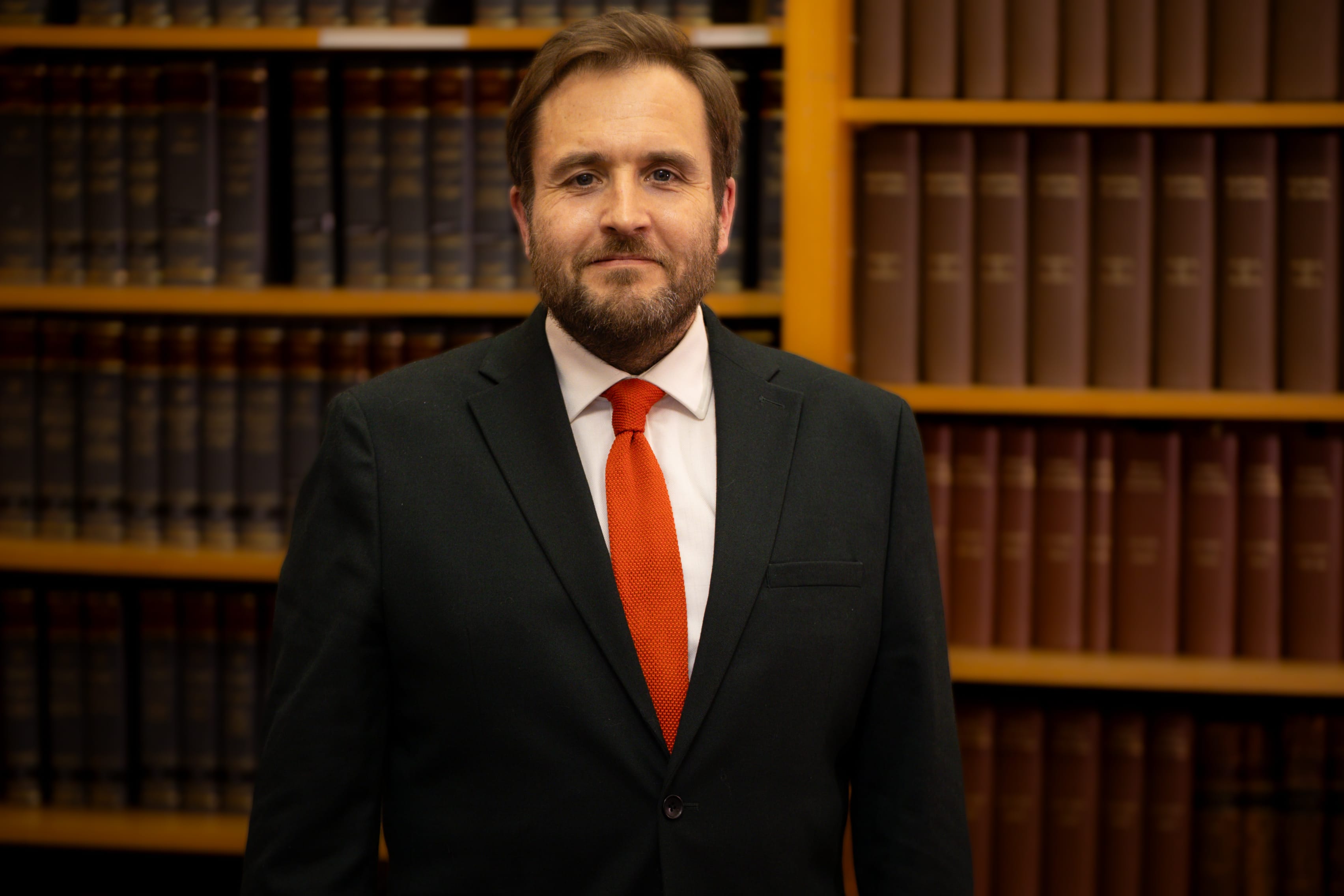
Mr Phil Chessum
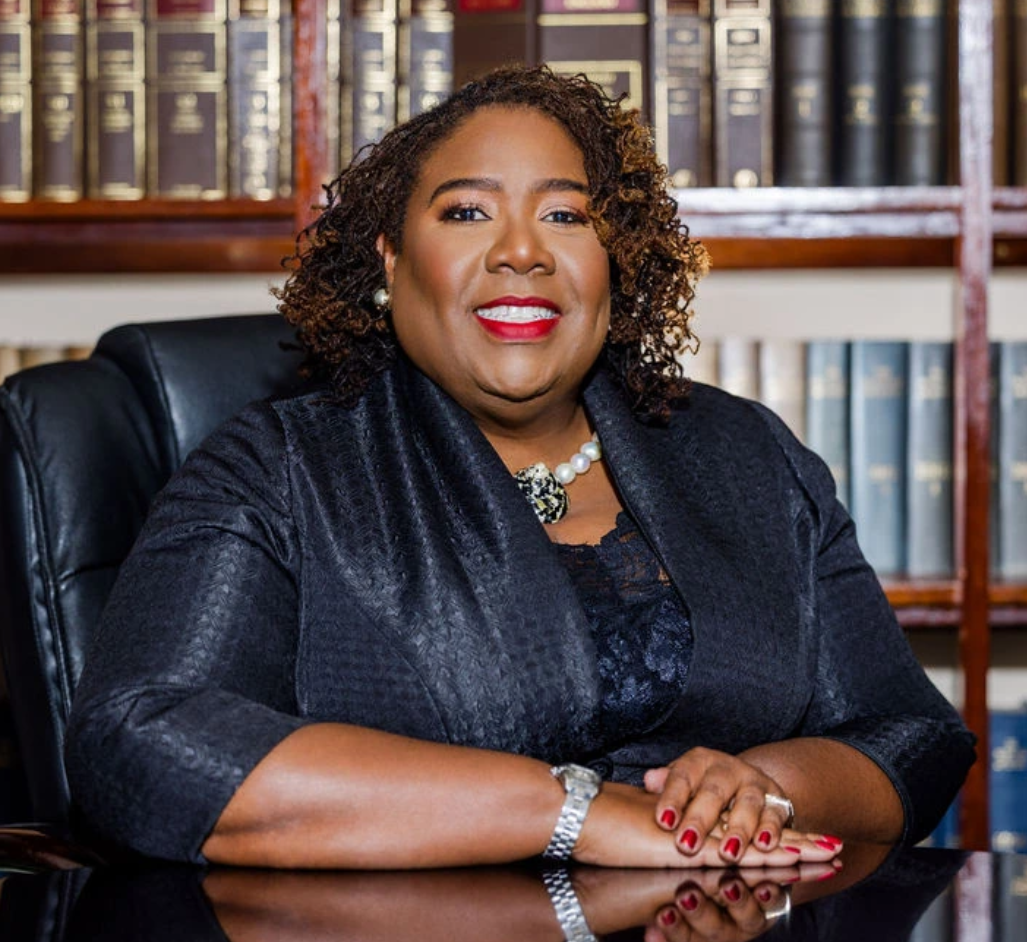
Ms Michelle Daley
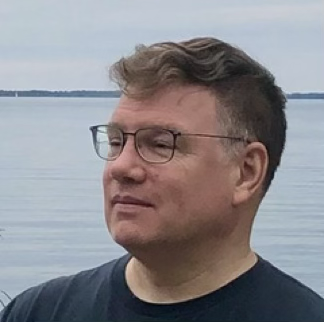
Mr Aleks Hynna
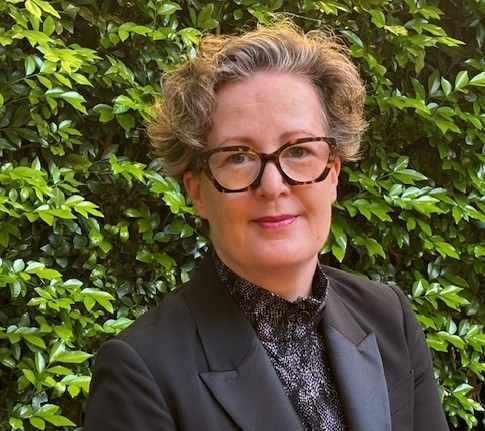
Ms Natalie Plumstead
Convenor
About the panellists
Ms Natalie Plumstead (Australia)
Natalie is Principal and Director of Natalie Plumstead Legal Consulting Pty Ltd a practice committed to improving the clarity and efficacy of the law. She is a legislative drafter and instructor with extensive experience drafting for subnational and national governments in Australia and internationally. She drafts primary and subordinate legislation and instructs on innovative legislative reforms.
Natalie has a depth of experience and skills in leading and supporting government lawyers with the conceptual analysis of legislative proposals, to understand the legislative process from policy to implementation.
Along with her drafting practice, she provides individuals with representation in mental health matters focused on their human rights. Natalie sits on the Disability Law Committee and Health Law Committee of the Law Institute of Victoria. She is also on the Victoria Legal Aid Equity & Diversity List and regular contributor to the Law Institute Journal on equality and disability law matters.
Mr Phil Chessum (UK)
Phil Chessum is a Director General in the Office of the Parliamentary Counsel (London).
He leads the team that drafts for the Foreign, Commonwealth and Development Office, the Department for Business and Trade, the Ministry of Housing, Communities and Local Government and the Department for Health and Social Care. He also leads on equalities and the UK’s relationship with the EU.
Since joining OPC in 2008, Phil has drafted a wide range of legislation, including on tax, public spending, local government, criminal justice, national security, planning, the environment and international relations. His work has led the way internationally, e.g. on implementing OECD recommendations.
Beyond the UK, Phil has drafted legislation on civil service reform for another Commonwealth country and has worked on financial services legislation for another country while on secondment to the finance department of a major Anglo-American law firm. He is the Secretary of CALC.
Ms Shawn Raine Belle (Barbados)
Ms Shawn Raine Belle was admitted to the Bar in Barbados as an attorney-at-law in 2002 and is currently the Deputy Chief Parliamentary Counsel of Barbados.
Ms. Belle has been attached to the Office of the Chief Parliamentary Counsel in Barbados as a legislative drafter for over 20 years and has extensive experience in the drafting of legislation in diverse areas such as computer misuse, electronic transactions, tax law, criminal law, administrative law, constitutional law, evidence, data protection and privacy and international business.
Ms. Belle has made valuable contributions to the development of the Office of the Chief Parliamentary Counsel in Barbados including the development of the Legislative Drafting Manual, the “Tool Kit” for new legal officers and legal interns and the establishment of first Service Charter for the Office of the Chief Parliamentary Counsel.
Ms. Belle is also a member of the Commonwealth Association of Legislative Counsel.
Ms Michelle Daley (West Indies)
Michelle A R Daley is an Attorney-at-Law and experienced legislative drafter with nearly three decades of practice across the Commonwealth Caribbean and beyond, Michelle has held senior drafting positions in the Government service including Chief Parliamentary Counsel of Anguilla. Michelle is currently the Legislative Consultant to the Attorney General’s Chambers of the British Virgin Islands. She has drafted hundreds of pieces of primary and subsidiary legislation covering a wide range of legal areas and for multiple jurisdictions, including Jamaica, The British Virgin Islands, the Cayman Islands, Belize, Anguilla, The United Arab Emirates (DIFC, Dubai), Grenada, St. Kitts and Nevis, St. Lucia and St. Vincent and the Grenadines. Michelle has also led the development of harmonized legislation for the Organization of Eastern Caribbean States (OECS) and CARICOM. She is currently serving her second term as Vice President of the Commonwealth Association of Legislative Counsels (CALC).
Mr Aleks Hynna (Canada)
Aleksander Hynnä is General Counsel with the Department of Justice Canada’s Legislation Section. He has been practising law since 2001 and joined the Section as legislative counsel in 2007. He has drafted legislation in areas such as criminal law, intellectual property law, law in relation to Indigenous peoples, financial legislation, and more. His previous work experience includes working as drafter in the Legislative Drafting Office of Jersey, as an instructor in Athabasca University’s graduate program in legislative drafting, as DOJ counsel advising on Indigenous law matters and as litigation counsel in private practice. He has an LL.M. in constitutional law (Osgoode Hall), an LL.B. (Toronto) and a B.Mus. (McGill).
Aleksander currently serves as the Editor in Chief of The Loophole, the journal of the Commonwealth Association of Legislative Counsel. He regularly provides training to other counsel on legislative drafting and parliamentary procedure.
About the panel
Negotiated legislative solutions are needed with increasing pressure of unpredictable electoral systems. (Secretary General of the Council of Europe, State of Democracy, Human Rights and the Rule of Law. Populism – How strong are Europe’s checks and balances? (2017) 78.)
What impact are less stable and predictable legislatures having on the boundary between drafter and policymaker?
Are there new approaches that drafters are exploring to work with policymakers?
Is the common law model of the exclusivity of the drafting task sustainable? When should a drafter become involved in legislative proposals? (Professor Helen Xanthaki, Thornton’s Legislative Drafting (5th ed, 2013) 143.)
Disclaimer: The views of the Conference speakers and panellists do not necessarily represent the views of the Government or the Attorney-General’s Chambers of Singapore.