
Presentations & Panels
Speaker bios and abstracts
Last updated on 14 July 2026
James Adutt, Jane Irving and Alex Lo, “Legislative definitions and the penumbra of words”

James Adutt
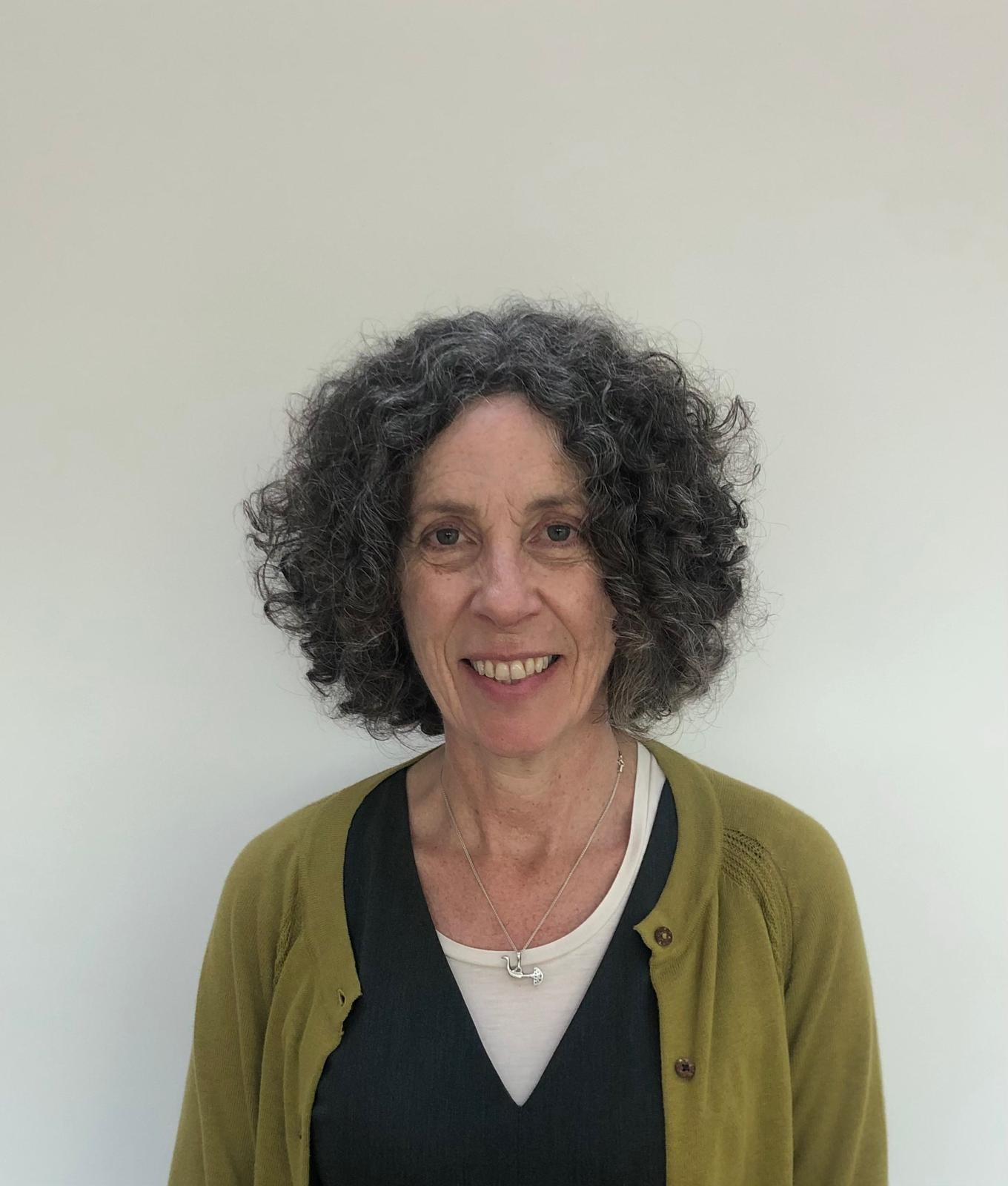
Jane Irving

Alex Lo
About the speakers
James Adutt, Head, Statutory Instruments Hub, Government Legal Department, UK
James Adutt has been a UK Government lawyer for over 30 years, and has a wide range of experience advising departments and Ministers. During that time, he has worked on primary and secondary legislation from aviation to prisons, same-sex partnerships, gender reassignment, social security benefits, housing and planning. He is currently Head of the Statutory Instruments Hub within the Government Legal Department. The SI Hub consists of around 45 lawyers, and drafts around 20% of the UK Government's secondary legislation, as well as acting as a Centre of Excellence for other Government lawyers on SI drafting issues.
Jane Irving, Senior Lawyer, Statutory Instruments Hub, Government Legal Department, UK
Jane Irving is a Senior Lawyer in the Statutory Instruments Hub (SI Hub) in the UK Government Legal Department. Jane has been a government lawyer for over 30 years, working in variety of advisory posts relating to health, education and rural affairs before finally settling into a drafting role in the SI Hub. In the Hub, she has worked on a range of secondary legislation, including instruments related to Brexit, international sanctions, student finance, transport and environmental waste. She is also involved in leading the Hub's internal and government-wide training programmes.
Alex Lo, Senior Lawyer, Statutory Instruments Hub, Government Legal Department, UK
Alex Lo is a Senior Lawyer in the Statutory Instruments Hub (SI Hub) in the UK Government Legal Department. As a drafter, Alex has drafted a wide range of secondary legislation, including on transport, criminal justice, immigration, tax, local government, health and social care and energy and net-zero policies. Before becoming a drafter, Alex also has experience in tax litigation and advisory work and criminal prosecutions.
About the presentation
How do we tame the slippery nature of language and provide sufficient certainty when defining terms? This interactive session explores the “penumbra” of words—the grey area where dictionary definitions fall short, where core definitions blur into peripheral meanings. We will invite participants to discuss practical, cross-jurisdictional examples, from defining a "horse" (does it include zebras?) to drawing the boundary of the "sea" (where does it begin and end?). Using the international perspectives participants bring, we will explore strategies to successfully navigate ambiguity and master the boundary-setting that challenges every legislative drafter worldwide.
Daniel Baird, Pasha Peyrovi and Nina Ding, “New Ways of Working: Technology and Collaboration”

Daniel Baird

Pasha Peyrovi
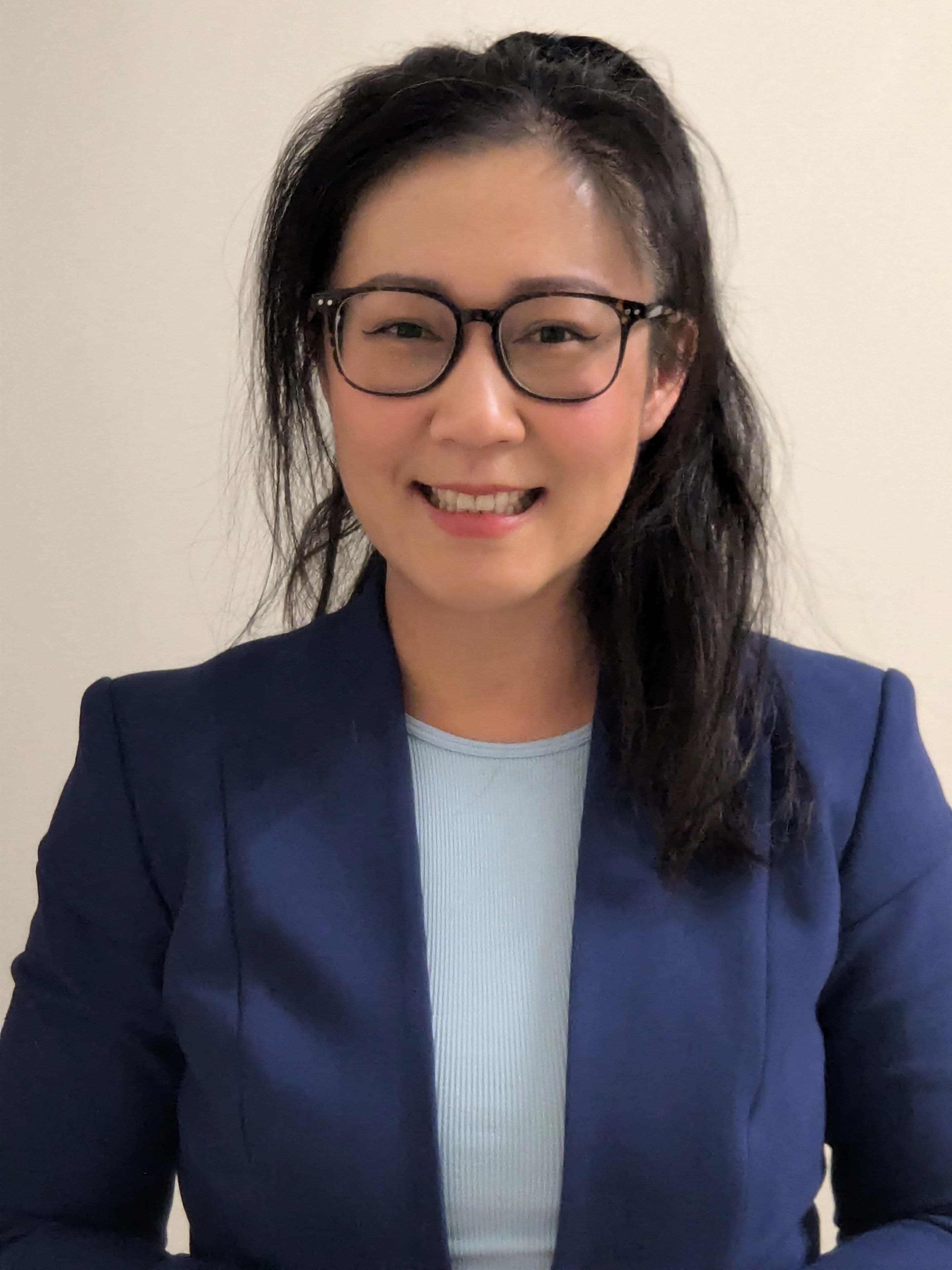
Nina Ding
About the speakers
Daniel Baird
Daniel is a Senior Assistant Parliamentary Counsel at the Australian Office of Parliamentary Counsel. Since joining the Office in 2017, he has worked across a wide range of areas including corporate regulation, taxation, environmental reform, employment law and annual appropriations. Daniel has led both Bill and instrument drafting teams. Prior to joining the Office, Daniel held roles in government legal practice and private practice. He holds a Bachelor of Laws (Honours Class I), Bachelor of Science (Honours Class I) and Diploma of Legal Practice from the University of Newcastle, Australia. Outside work, Daniel enjoys playing touch football and other social sport.
Pasha Peyrovi
Pasha joined Australia’s Office of Parliamentary Counsel in November 2022 as an Assistant Parliamentary Counsel. Since then, he has contributed to a range of legislative reform projects, including environmental reforms and changes to the Reserve Bank of Australia’s governance arrangements. More recently, he was seconded to the Department of the Senate, where he drafted legislation for non-government Senators.
During the COVID-19 pandemic, Pasha worked in the office of the Minister for Health and also served as Executive Officer to the Commonwealth Chief Medical Officer. Prior to these roles, Pasha was a policy officer at the Department of Foreign Affairs and Trade and a legal officer at the Therapeutic Goods Administration.
Pasha holds a Bachelor of Laws (First Class Honours), a Bachelor of Economics, and a Diploma of Legal Practice from the Australian National University.
Nina Ding
Nina is a Senior Assistant Parliamentary Counsel at the Australian Office of Parliamentary Counsel. She leads a Bills team and has drafted legislation on a range of topics, including most recently legislation implementing Australia’s obligations as a signatory to the High Seas Biodiversity Treaty. She is also part of the drafting team for the rules relating to practice and procedure in the Australian federal courts. Before joining the Office in 2018, Nina worked in administrative law policy at the Attorney-General’s Department. Nina holds a Bachelor of Laws (Hons) and Bachelor of Arts from Monash University and a Diploma of Legal Practice from the College of Law.
About the presentation
A changing world and rapid technological developments are creating new opportunities for the ways in which we work. These include increased collaboration among drafters, particularly through multi-team projects supported by advanced communication tools, as well as enhanced processes driven by artificial intelligence. This presentation explores these developments, through the experience of the Australian Office of Parliamentary Counsel, and reflects on what they mean for the evolving role of the legislative drafter and how they can be successfully navigated into the future.
Ricardo Bates-Sealy, “Drafting in the Disruption: Regulating the Legal Profession in the Age of Artificial Intelligence”
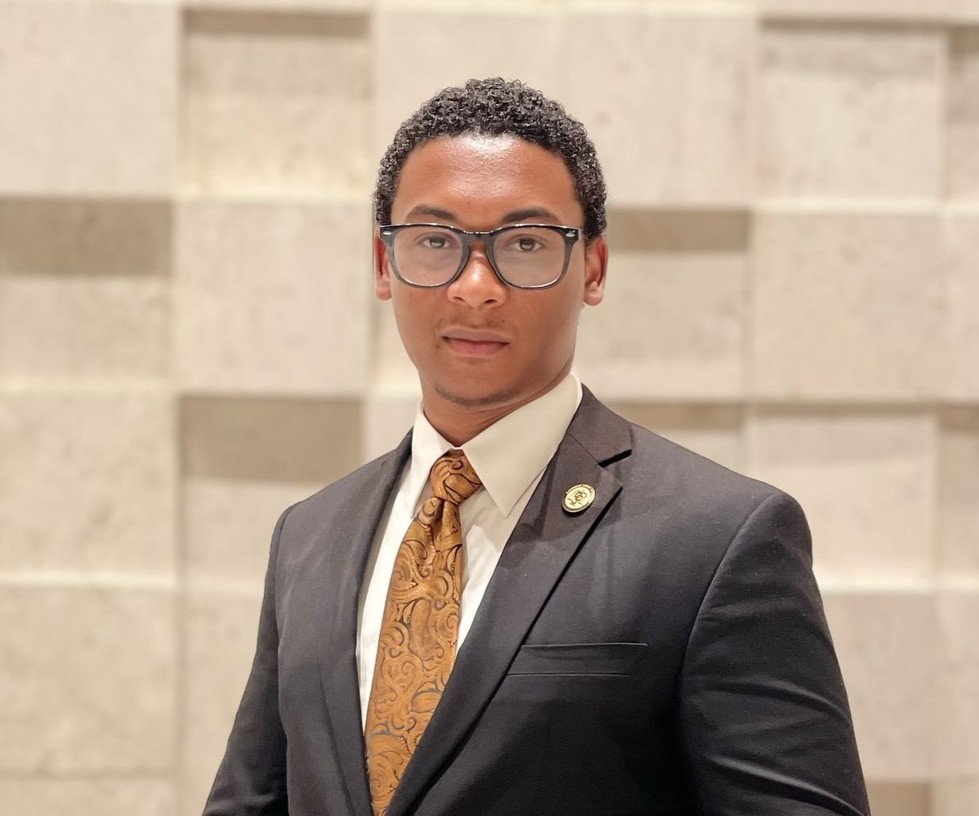
Ricardo Bates-Sealy
About the speaker
Ricardo Bates-Sealy is an Attorney-at-Law and State Counsel at the Law Reform Commission within the Office of the Attorney General of Barbados, where he works on legislative drafting, law reform, and legal policy. He contributed to the Draft Legal Profession Bill 2025, as well as other reform initiatives including criminal justice reform and the modernisation of criminal records rehabilitation legislation. He holds an LL.B. with First Class Honours from the University of the West Indies, where he studied Legislative Drafting and served as Editor-in-Chief of the Cave Hill Student Law Review. He completed the Legal Education Certificate at the Hugh Wooding Law School. He previously served as a Judicial Intern at the Caribbean Court of Justice, which issued the 2025 Practice Direction on Generative AI discussed in his paper.
About the presentation
Artificial intelligence is already present in Caribbean courtrooms, while the frameworks governing its use are proliferating more rapidly than legislation. This paper uses Barbados’s Draft Legal Profession Bill 2025 as a case study to examine how a small Commonwealth jurisdiction can regulate a profession being disrupted by AI in real time. Drawing on three Caribbean practice directions issued in 2025, regional disciplinary incidents in Trinidad and Tobago and the Bahamas, and international case law, the paper argues that technology neutral, principles based drafting, supported by a layered ethics framework and the doctrine of constructive knowledge, offers a more durable regulatory approach than codifying AI in statute. Legislation and court rules are complementary rather than competing: the Act provides the enforcement backbone, while court rules deliver the immediate operational response.
Heidi-Marie Boakye, “Professional Ethics and the Legislative Drafter: A Ghanaian Perspective”
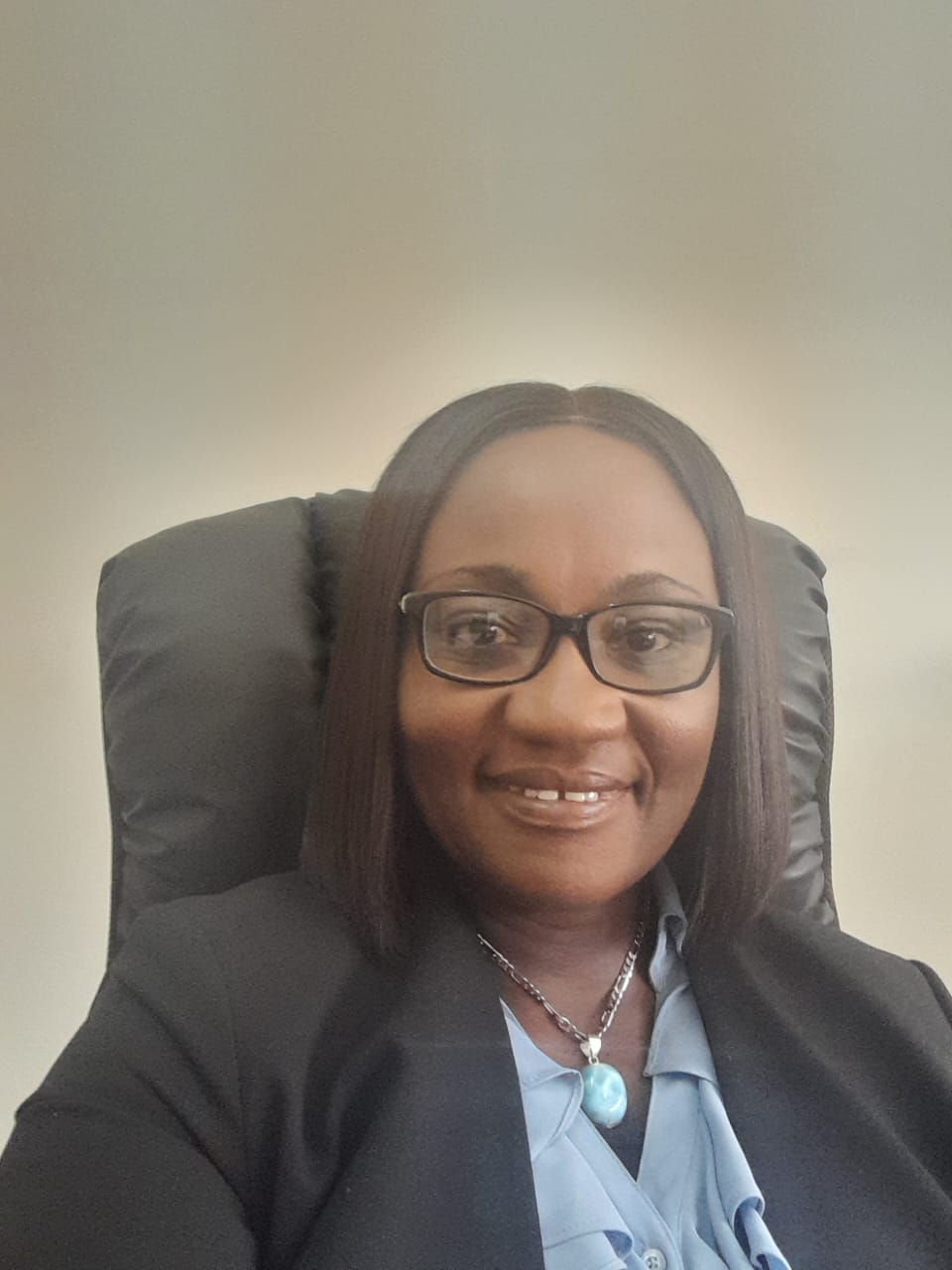
Ms. Heidi-Marie Boakye
About the speaker
Ms. Heidi-Marie Boakye has been a Barrister and Solicitor of the Supreme Court of Ghana since 2007. She has since worked as a legislative drafter at the Legislative Drafting Division of the Office of the Attorney-General and Ministry of Justice of Ghana and is currently a Principal State Attorney.
She has been a Part-Time Lecturer in Legislative Drafting at the Ghana School of Law and a Guest Lecturer in Legislative Drafting at the International Law Institute in Kampala, Uganda. She is an Instructor of the Graduate Diploma Programme in Legislative Drafting at Athabasca University, Canada.
She holds a BA in French and Spanish and an MBA in Marketing, both from the University of Ghana. She also holds a Certificate in Law Reform from Public Administration International, London and an LLM in Advanced Legislative Studies from the Institute of Advanced Legal Studies, University of London.
About the presentation
The paper examines the legal framework that governs the professional ethics of legislative drafters in Ghana with particular emphasis on those employed by the Executive arm of Government. In Ghana, legislative drafters who work at the Office of the Attorney-General and Ministry of Justice draft both substantive and subsidiary legislation. Although there are no professional ethics which specifically refer to legislative drafters in the performance of their role, the paper examines the professional ethics which govern them as public sector lawyers who are members of the Legal Service and that which govern them as members of the legal profession.
Benjamin Minhao Chen, “Plain Language and the Readability Trap”

Benjamin Minhao Chen
About the speaker
Benjamin Chen is the Gallant Ho Outstanding Young Professor at the University of Hong Kong Faculty of Law. He draws on interdisciplinary methods to study how legal procedures shape decisional outcomes and institutional legitimacy. His research has appeared in both law and social science journals, including the Harvard Journal of Law and Technology and the Journal of Public Administration Research and Theory. He was previously an assistant professor of public policy at the National University of Singapore, an academic fellow at Columbia Law School, and a judicial law clerk on the United States Court of Appeals for the Ninth Circuit.
About the presentation
The plain-language drafting movement assumes that readable statutory language is more accessible to the public. Yet readability and accessibility are not the same thing. Statutes cannot be drafted to encompass every situation, and a layperson often lacks the legal literacy to recognise where the statute is silent, ambiguous, or incomplete in ways that matter. The danger of readable text, then, is that it may give the legally uninitiated false confidence that the law is simple, knowable, and clear. Consequently, people do not seek professional advice when they would—and should—have. The law’s demands thus become less accessible to its subjects. This is the readability trap. The risk is more pervasive than it might appear because plain language is no longer just the result of drafting decisions. Large language models can smoothly translate legalese into everyday prose, delivering plain-language versions of statutory text to users at scale. This talk explores how the readability trap can be studied empirically and its implications for legal knowledge and access to justice.
Liness Chikankheni, “Soft Law, Hard Consequences: Supersession, erosion, and the legislative drafter as constitutional navigator”
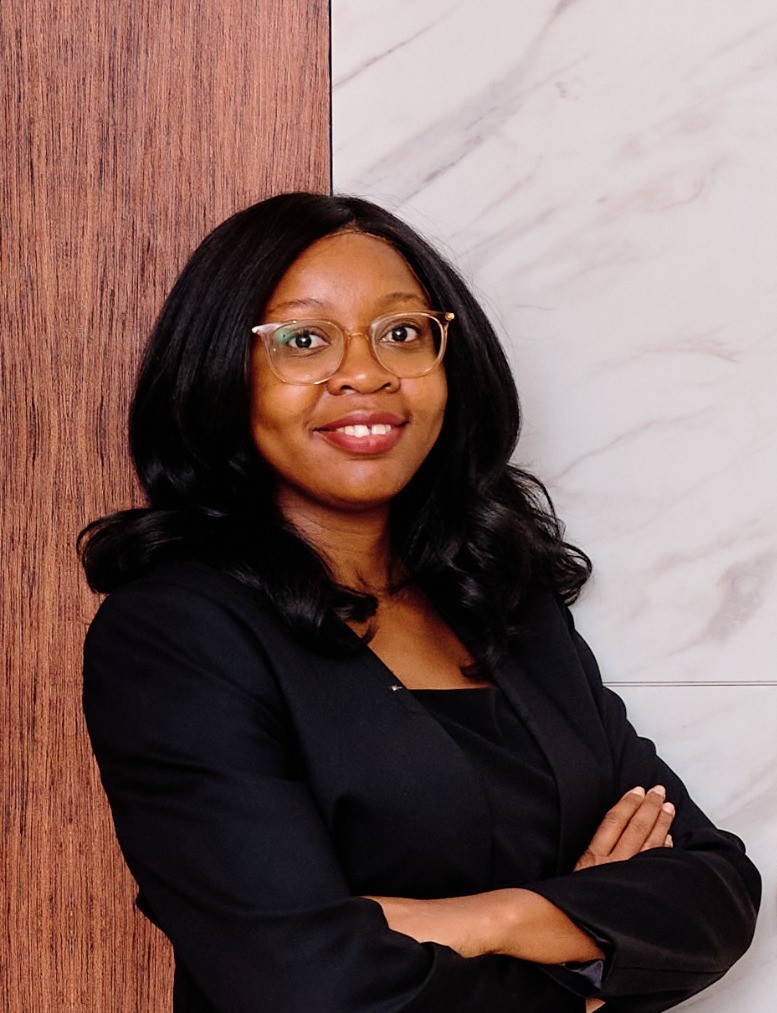
Liness Chikankheni
About the speaker
Liness Chikankheni is a Senior Legal Advisor at the Chandler Institute of Justice, where she designs governance reform and parliamentary-strengthening programmes and supports African governments in the development of policy and legislation. She was previously Chief State Advocate in the Legislative Drafting Section at Malawi’s Ministry of Justice, where she led the drafting of major national legislation and represented the Government of Malawi at the United Nations, the African Union, SADC and the Eastern and Southern Africa Anti-Money Laundering Group (ESAAMLG). She has also served as Principal State Advocate in the Directorate of Public Prosecutions, where she prosecuted public-sector financial crime and money laundering associated with illegal wildlife trafficking. Liness is admitted to practise in Malawi and Australia and holds an LLM in International Business Law with First Class Honours from the National University of Ireland, Maynooth.
About the presentation
Legislative drafters have traditionally served as constitutional custodians, ensuring that every instrument aligns with the state’s supreme law. This paper argues that two mechanisms are displacing that function.
The first is supersession by soft law, of which the FATF Recommendations are merely one prominent illustration. They are formally non-binding, yet grey-listing and the withdrawal of correspondent banking relationships make compliance commercially unavoidable. Mutual evaluation against the FATF Methodology rewards faithful transposition over local adaptation, narrowing the drafter’s role from constitutional gatekeeper towards transcription.
The second is erosion by extraterritorial hard law, of which the Brussels Effect is but one example. Through it, the EU General Data Protection Regulation has become the de facto template for data protection legislation in third states, subordinating domestic drafting choices to the standards of a foreign regulator.
Both pressures bear hardest on less economically developed states, where the cost of FATF non-compliance can be existential.
This paper argues that drafters must reconceive themselves as comparative constitutional navigators, mediating between the domestic constitutional order and the international normative layers that are an immutable factor in the globalised context.
Lydia Clapinska and Alex Lo, “Primary v. secondary legislation: balancing democratic accountability and legislative agility”

Lydia Clapinska

Alex Lo
About the speakers
Lydia Clapinska, Director, Office of the Parliamentary Counsel, UK
Lydia Clapinska is a Director in the Office of the Parliamentary Counsel in London. She was called to the Bar in 1999 and worked at the Law Commission and in the criminal law team at the Ministry of Justice before joining OPC in 2008. She presented at CALC in Melbourne in 2017 and at CALC Africa in Mombasa in 2023 and undertook a short secondment in the Singapore drafting office in 2014.
Alex Lo, Senior Lawyer, Statutory Instruments Hub, Government Legal Department, UK
Alex Lo is a Senior Lawyer in the Statutory Instruments Hub (SI Hub) in the UK Government Legal Department. As a drafter, Alex has drafted a wide range of secondary legislation, including on transport, criminal justice, immigration, tax, local government, health and social care and energy and net-zero policies. Before becoming a drafter, Alex also has experience in tax litigation and advisory work and criminal prosecutions.
About the presentation
In this paper we explore the factors and considerations that determine whether legislative provisions are included in primary or secondary (subordinate) legislation. We examine the tension between executive demands for legislative agility and the constitutional necessity of Parliamentary oversight. We also consider the use of delegated powers in primary legislation. While subordinate legislation offers flexibility in a rapidly changing world, its proliferation raises some concerns regarding democratic accountability and the rule of law.
We will share Parliamentary responses to the expansion of delegated powers, including "take note" motions and novel sifting procedures designed to restore scrutiny.
The session concludes by inviting perspectives from different jurisdictions to allow an exchange of views and comparison of legislative practices.
Byron Clugston, “Interpretation and Enforcement of Australian Standards in NSW”

Byron Clugston
About the speaker
Byron is an Assistant Parliamentary Counsel in the NSW Parliamentary Counsel’s Office. His background prior to legislative drafting includes drafting Australian Standards and teaching academic philosophy.
About the presentation
In this paper I consider issues with the interpretation and enforcement of Australian Standards (Standards) in New South Wales (NSW). Although I focus on the NSW jurisdiction, some of my conclusions are general.
I ask four related questions –
How are Standards produced and used?
What is the place and role of Standards in NSW legislation?
What legal issues arise in connection with Standards?
Is there scope for improvement of how Standards are produced and used?
For (1), I consider how the production of Standards compares with the production of legislation, including the role of committees and drafting rules. For (2), I focus on NSW civil and criminal penalty provisions that refer to Standards. This leads in (3) to a consideration of what legal issues arise for the interpretation and enforcement of Standards. For (4), I consider my responses to (1) – (3) in light of the role and value of quasi-legislation more generally.
Byron Clugston and Michael Mendel, “Private members’ Bills and the statute book”

Byron Clugston
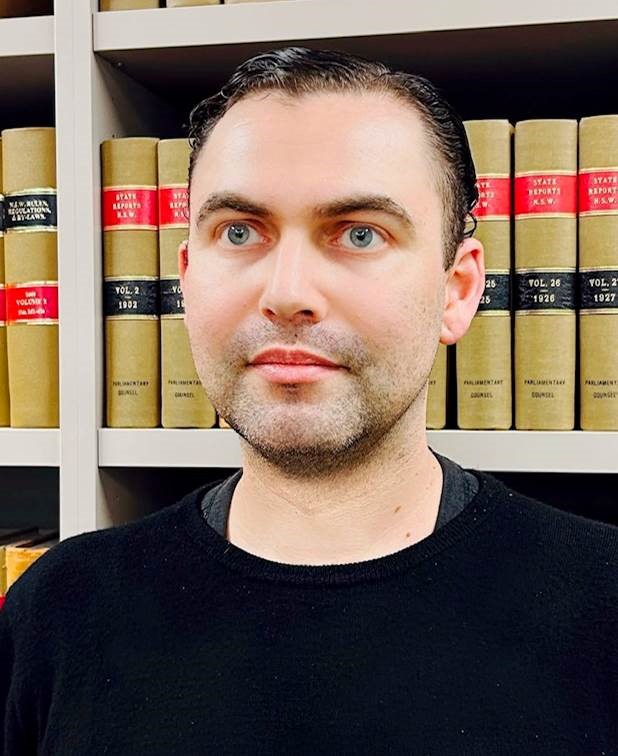
Michael Mendel
About the speakers
Byron Clugston
Byron is an Assistant Parliamentary Counsel in the NSW Parliamentary Counsel’s Office. His background prior to legislative drafting includes drafting Australian Standards and teaching academic philosophy.
Michael Mendel
Michael is a Senior Paralegal in the NSW Parliamentary Counsel’s Office. Prior to legislative drafting, he worked in financial services and studied government, international relations and political economy.
About the presentation
Legislative drafters are guardians of the statute book and have a mandate to produce clear, effective and consistent law.
This presentation argues that drafting offices should be available to prepare private members’ Bills (PMBs) and parliamentary amendments to Bills.
This argument is premised on a particular view of what the ideal of representative democracy requires, including a neutral public service that facilitates law-making regardless of the source of the policy for law. We argue that this neutrality mitigates risks arising from poorly drafted legislation.
Australian and UK case studies are used to show how PMBs can become statutes, indistinguishable from legislation advanced by governments.
Consideration is also given to resourcing and separation of powers tensions. In response to this, we propose safeguards, scope limits, and potential institutional reform.
Jessica de Mounteney, “Drafting legislation in a rapidly evolving political and legal landscape: how to deliver effective bills in a fast-paced world”
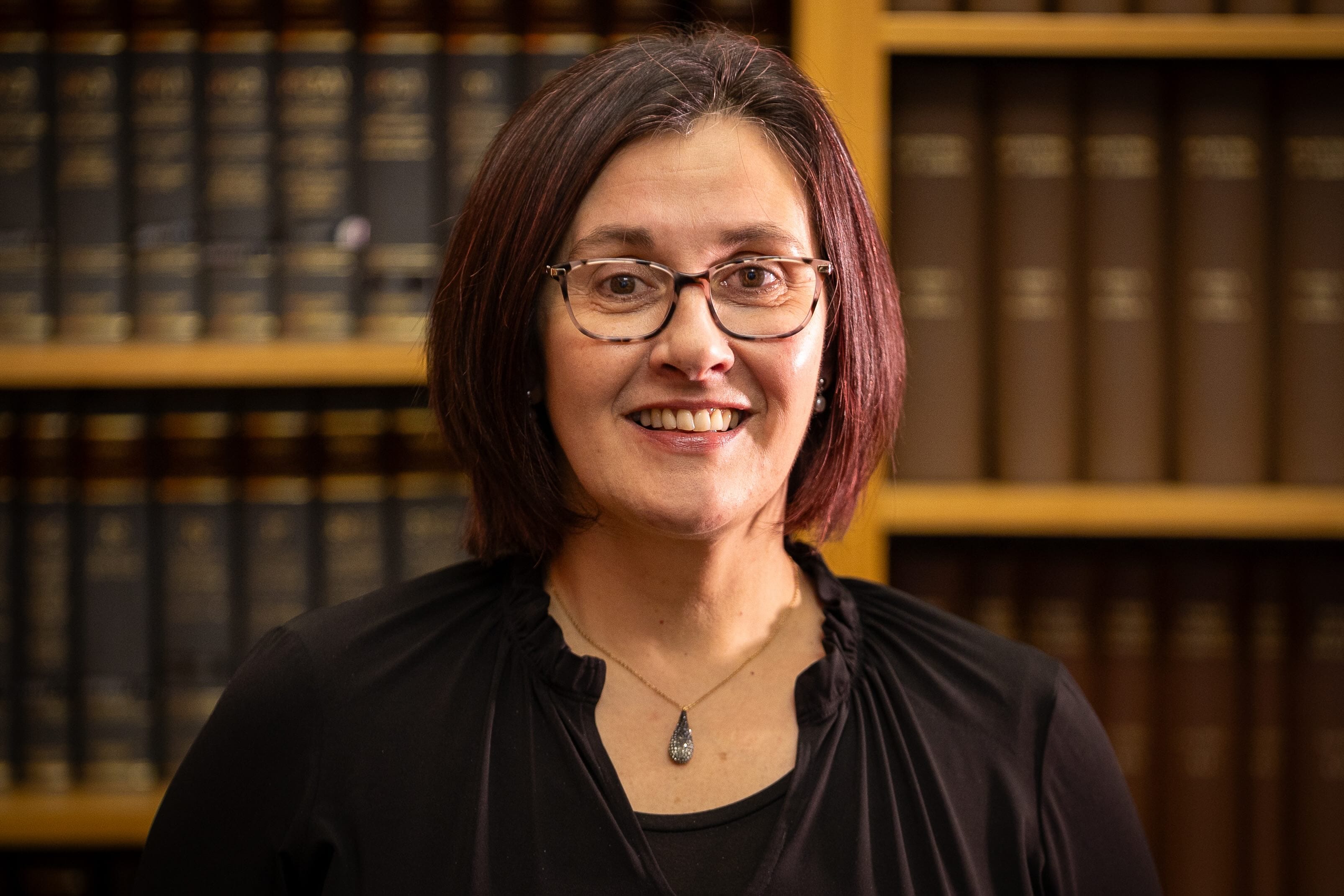
Jessica de Mounteney
About the speaker
Jessica de Mounteney, First Parliamentary Counsel, Office of the Parliamentary Counsel, UK
Jessica de Mounteney was called to the Bar in 1994, and undertook mainly criminal work until she joined the Office of the Parliamentary Counsel as a drafter in 1997. Since then, she has worked on a very wide range of legislative projects, has been seconded twice to the Law Commission of England and Wales, and spent time in the Government Legal Department as Director General. In May 2024, Jessica became the First Parliamentary Counsel and Permanent Secretary, Government in Parliament Group. She is also Parliamentary Champion for the Cabinet Office. Jessica has contributed to numerous CALC conferences and collaborates with drafting offices across the Commonwealth.
About the presentation
Reflecting on a drafting career spanning almost 30 years, Jessica will consider the evolution of UK legislative drafting since 1997. She will highlight the legal and political challenges that have accompanied the shift from a slower, paper-based era to the current reality of our high-pressure, digital and more highly-politicised world. Jessica will then share her proposed solutions to help all modern drafters succeed in this demanding world.
Charlie Feldman, “What does Parliament want to see in a bill? Exploring Canadian printing requirements”

Charlie Feldman
About the speaker
Charlie Feldman is a Legislative Counsel with Canada's Department of Justice, having previously been a drafter with Canada's House of Commons and Senate. He also worked as a secondee drafter in the Scottish Government's Parliamentary Counsel Office.
About the presentation
Legislative drafting is shaped by constitutional, legal, and policy requirements that have attracted significant scholarly attention. Far less attention has been paid to the parliamentary rules governing the form and presentation of bills. What does Parliament expect to see in a bill, and how do those expectations influence legislative text? This presentation examines Canadian parliamentary requirements relating to the form of bills, including the House of Commons rule that “[n]o bill may be introduced either in blank or in an imperfect shape.” By tracing the evolution of these requirements, it explores how parliamentary rules shape the form and content of legislative texts and reflect changing institutional understandings of what constitutes a complete and acceptable bill.
Mark Fisher, Michelle Chua and Alvaro Vigil, “Annotated Statutes and Statutory Dictionary: Upcoming features in Singapore’s LawNet”

Mark Fisher
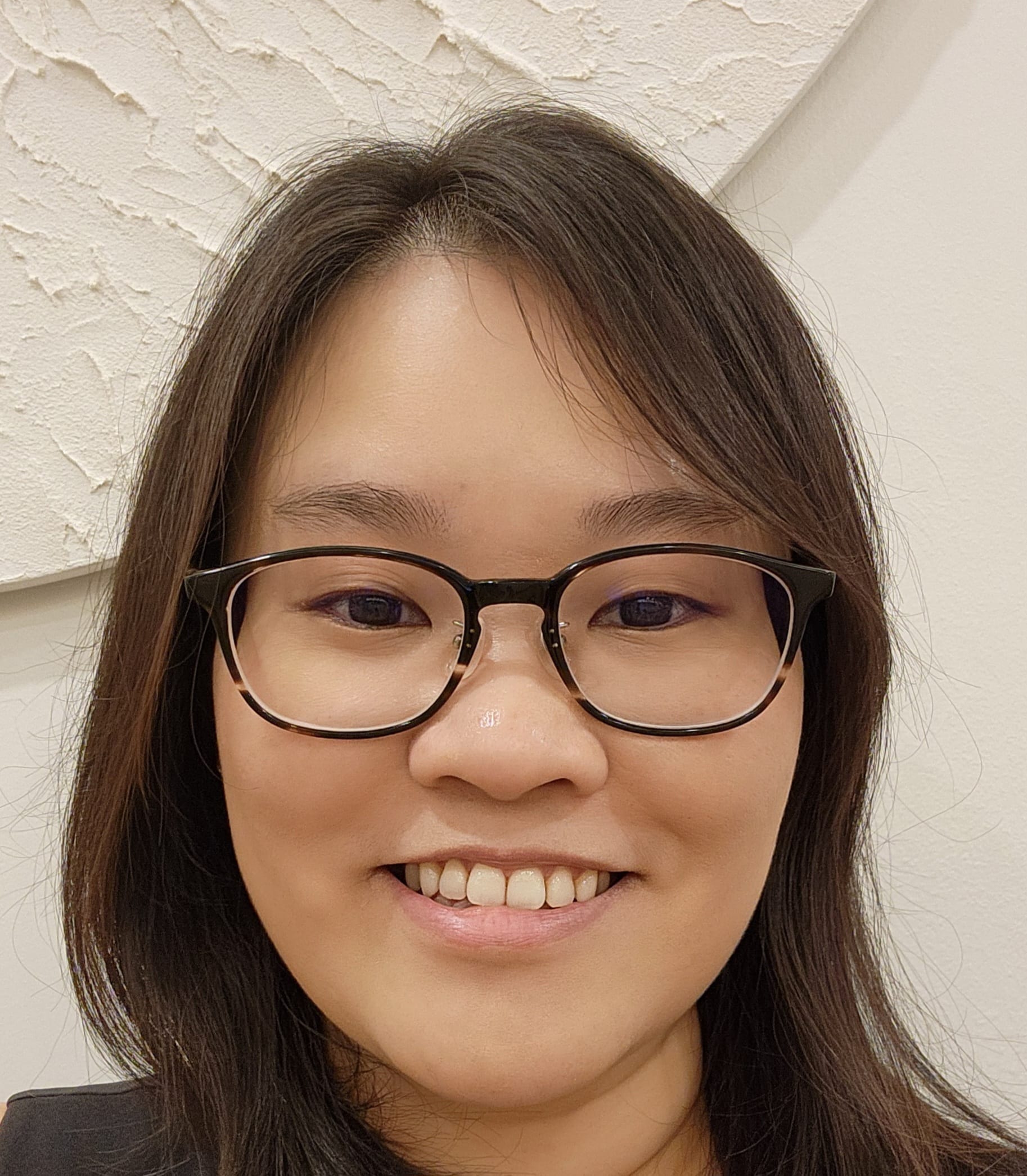
Michelle Chua

Alvaro Vigil
About the speakers
Mark Fisher
Executive Director, Legal Research, Singapore Academy of Law
Mark is a legal researcher specialising in the development of generative AI tools for LawNet, the leading research platform for Singapore law.
Previously, Mark practiced complex litigation in Australia for both international (Jones Day) and domestic (Clayton Utz) law firms, particularly matters regarding securities litigation and matters involving private international law.
Mark is also the Executive Director of the Asian Business Law Institute (ABLI), a think-tank dedicated to the promotion of the convergence of business laws in Asia.
Michelle Chua
Senior Assistant Director, Legal Research, Singapore Academy of Law
Michelle is a legal researcher specialising in the development of generative AI tools for LawNet, the leading research platform for Singapore law.
Previously, Michelle practiced as a litigation lawyer in Singapore, with experience in a wide range of commercial and civil disputes, before serving as a Senior Regulatory Counsel at the Law Society of Singapore, where she was involved in the regulation of legal practitioners. She also has experience as a commercial in-house counsel.
Alvaro Vigil
Senior AI Solutions Architect, LawNet Technology Services
With over 22 years of experience in IT across industries such as healthcare, education, banking, IT consulting, legal, marine shipping, and telecommunications, Alvaro is a seasoned expert in driving innovation through data, analytics, and AI. For the past 8 years, he has specialised in leading AI and data-driven initiatives, designing and implementing solutions that bridge business objectives with customer needs.
Alvaro brings a strong cross-cultural perspective, having worked extensively across South America, Europe, and Asia, building impactful solutions and strong stakeholder relationships in diverse environments.
About the presentation
This presentation is by the Singapore Academy of Law (SAL), a statutory body whose responsibilities include developing Singapore's legal industry. SAL operates LawNet, Singapore's leading portal for legal research.
During this presentation, we will be showcasing two of our upcoming LawNet features:
Annotated Statutes that furnish AI-generated legal principles—based on relevant cases—for each statutory provision in Singapore’s Companies Act.
A Statutory Dictionary that provides users with a way to search for defined terms across all statutes.
Ben Fraser, “What to except when you're excepting: drafting exceptions to offences”

Ben Fraser
About the speaker
Ben Fraser is a Senior Assistant Parliamentary Counsel at the Parliamentary Counsel’s Office of Western Australia. He started working as a drafter in the Office of the Queensland Parliamentary Counsel in 2011; he has worked in Western Australia since 2017. He completed a Master of Public and International Law at the University of Melbourne. He has written articles published in the Loophole in 2019 and in the Public Law Review in 2020. He presented at CALC Conferences and Regional Conferences in 2019, 2022, 2023 and in 2025. He also presented at the Pacific Island Law Officer’s Network Legislative Drafter’s Conference in 2025. He has been the CALC Australasia/Pacific representative since 2024.
About the presentation
Drafting clear and easy-to-understand offences is at the heart of a drafter’s work. One of the questions that a provision creating an offence should answer is who bears the burden of proof. The golden thread of the common law is that the prosecution bears the burden, subject to “statutory exception” (and the presumption of sanity): Woolmington v Director of Public Prosecutions [1935] AC 462, 481. The rule is codified in many CALC jurisdictions, including the Evidence Act 1893 (Singapore).
This presentation explores the law of statutory exceptions to offences. The presentation discusses the difficulties Australian courts have had in trying to ascertain whether a provision is part of the offence or a statutory exception to it.
The presentation also sets out practical drafting techniques on how to make it clear that a provision is an exception that reverses the legal burden of proof. It will also set out ways to reverse the evidential burden only, and, crucially, how to make it clear that a provision does not reverse the legal or evidential burden.
James George, “Consolidation Acts: do we still need them?”

James George
About the speaker
James is a Senior Legislative Counsel in the Welsh Government’s Office of the Legislative Counsel. He joined the Welsh Government in 2012, having previously worked as a law teacher, a public law solicitor in a major law firm and an advisory lawyer for the UK Government. As the lead drafter for the Welsh Government’s first two projects of consolidating primary legislation, he has played a significant role in developing the Welsh Government’s approach to consolidation.
James is a contributing editor of Bennion, Bailey and Norbury on Statutory Interpretation, and presented at the CALC Europe Regional Conferences in Cardiff (2023) and Belfast (2025).
About the presentation
The presentation will examine the case for consolidation of the law, before providing a chance to consider some examples of how old legislation may be consolidated. It will be about “consolidation Acts” in the sense in which the term is used in the UK, meaning Acts that restate the law on a particular topic, usually bringing together legislation that was previously scattered across the statute book with some minor improvements.
The presentation will consider whether this kind of consolidation is still needed in an age when legislation is available online in an up-to-date and searchable form, and explore reasons why the statute book may still be fragmented and hard to understand. It will consider whether the governments and legislatures of the UK might learn lessons from approaches to consolidating and reorganising the law that have been taken in other Commonwealth nations. It will then use examples from recent consolidation projects in Wales to look at some of the ways in which the law may become difficult to navigate or understand, and at ways of restating the law to address those problems.
David Goddard, “Designing and drafting legislation to support digital decision-making: What is possible? What is appropriate?”

The Hon. David Goddard KC
About the speaker
The Hon David Goddard KC has had an extensive involvement in law reform in New Zealand and overseas, advising ministers and government agencies, representing New Zealand in bilateral and multilateral negotiations, and drafting legislation and international agreements. He co-designed the Trans-Tasman court proceedings regime.
David is a Professorial Fellow in the University of Melbourne Law School, teaching an intensive LLM course on Designing Effective Legislation. He is an International Fellow of the Singapore Judicial College, teaching courses on justice system reform. David’s current research interests focus on legislative design and the implications of digital technology for the design of law and the delivery of justice. He is the author of Making Laws That Work: How Laws Fail and How We Can Do Better (Hart Publishing, 2022).
David is an International Judge of the Singapore International Commercial Court. He served as a Judge of the New Zealand Court of Appeal from 2019 to 2025.
During his time as a New Zealand judge David led development of the Digital Strategy for Courts and Tribunals adopted by the New Zealand judiciary in 2023. He was the judicial lead for the new digital case management solution and portal for the courts of New Zealand (Te Au Reka). He continues in that role following his retirement from the bench.
David was also the chair of the New Zealand judiciary’s Legislation and Law Reform Committee, and of the joint judiciary/Ministry of Justice Information and Digital Governance Committee.
About the presentation
Governments worldwide are using digital technology to implement legislative frameworks – to provide information, to receive information, to facilitate a wide range of interactions with government, and to improve the efficiency and timeliness of public administration. The next frontier – which some governments are already exploring – is the use of digital technology (including AI) to make decisions under legislation and/or to support the making of such decisions. Initiatives of this kind hold the promise of improved public services and more effective legislation. But use of AI and other digital technologies in this manner also raises important issues of principle and significant practical risks.
This presentation describes some of the opportunities for use of digital technology to make (or support the making of) decisions under legislation, and asks:
When is this possible?
When is this appropriate?
How can we design and draft laws to enable the appropriate use of AI and other digital technologies in this way?
Alice Harrison-Needham and Lydia Clapinska, “How to train a drafter?”
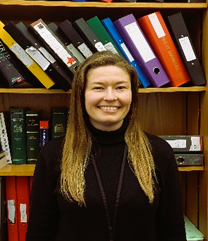
Alice Harrison-Needham

Lydia Clapinska
About the speakers
Alice Harrison-Needham, Assistant Parliamentary Counsel, Office of the Parliamentary Counsel, UK
Alice Harrison-Needham is an Assistant Parliamentary Counsel at the Office of the Parliamentary Counsel in London. She joined the office in 2022 from an international law firm where she practiced as a solicitor in the structured finance and derivatives team. Since joining OPC, Alice has worked mainly on tax and financial services legislation.
Lydia Clapinska, Director, Office of the Parliamentary Counsel, UK
Lydia Clapinska is a Director in the Office of the Parliamentary Counsel in London. She was called to the Bar in 1999 and worked at the Law Commission and in the criminal law team at the Ministry of Justice before joining OPC in 2008. She presented at CALC in Melbourne in 2017 and at CALC Africa in Mombasa in 2023 and undertook a short secondment in the Singapore drafting office in 2014.
About the session
How do you teach a lawyer to write the law?
In this session, we will seek to answer this question by discussing the training that the Office of Parliamentary Counsel in London gives both externally (to other drafters within the UK government) and internally (within the Office). We will cover the training techniques that we think have worked, and things that haven't been so successful. We will talk about how the Office is structured to promote the development of junior drafters and about things that more experienced drafters are encouraged to do to ensure they continue to improve.
We would also love to hear about experiences of training from other offices, so audience participation will be encouraged.
Susan Jarvis, “Drafting for Implementation: Ensuring Model Laws Translate into Effective Domestic Legislation”

Susan Jarvis
About the speaker
Susan Jarvis is the Legal Adviser for Legislative Support and Law Reform at the Commonwealth Secretariat, where she leads and supports legislative drafting and law reform initiatives across Commonwealth member countries. Her work includes the development of model laws, the provision of legislative drafting assistance, and the management of rule of law and governance projects aimed at strengthening democratic institutions and legal frameworks.
Before joining the Commonwealth Secretariat, Susan served in the Ministry of Legal Affairs as a Legislative Drafter and Antigua and Barbuda’s Law Revision Commissioner; a role in which she played a central role in the revision and consolidation of the laws of Antigua and Barbuda.
Over the course of more than a decade, she has drafted and advised on a wide range of legislation at the national, regional and international levels, and has actively supported the legislative process through parliamentary support and stakeholder engagement.
Susan holds a Master of Laws (LL.M.) in Legislative Drafting from the University of the West Indies Cave Hill Campus, a Post Graduate Diploma in Legislative Drafting from Athabasca University, Canada, and a Bachelor of Laws (LL.B.) (Hons.) from Nottingham Law School, United Kingdom. She is called to the Bar of England and Wales and Antigua and Barbuda.
About the presentation
Model laws have become an increasingly important tool in contemporary law reform, providing jurisdictions with access to legislative frameworks which aid in promoting harmonisation across legal systems. Across the Commonwealth, model laws have been developed and adapted in a wide range of areas, from digital trade to virtual assets. While these instruments offer significant advantages, their successful adoption does not always guarantee effective implementation.
This presentation explores the gap that can arise between the enactment of model laws and their practical operation within domestic legal systems. It examines the constitutional, institutional, and administrative factors that often influence implementation outcomes, including differences in legal traditions, regulatory structures, resource availability, and governance arrangements.
The presentation highlights the critical role of legislative drafters in adapting model laws to local contexts. It argues that legislative drafting should extend beyond the copying and pasting of provisions and instead should actively address implementation considerations from the outset.
The presentation proposes a practical “Model Law Implementation Framework” that integrates constitutional analysis, institutional assessment, implementation planning, and drafting adaptation. It concludes that the long-term success of model laws depends not only on the quality of the legislative text, but on the extent to which implementation realities are considered prior to implementation.
Usama Khawar and Malik Taimour Ahmad Khan, “AI as the Great Equaliser: Restoring Legislative Agency in Post-Colonial Parliaments — The Punjab Assembly Case”
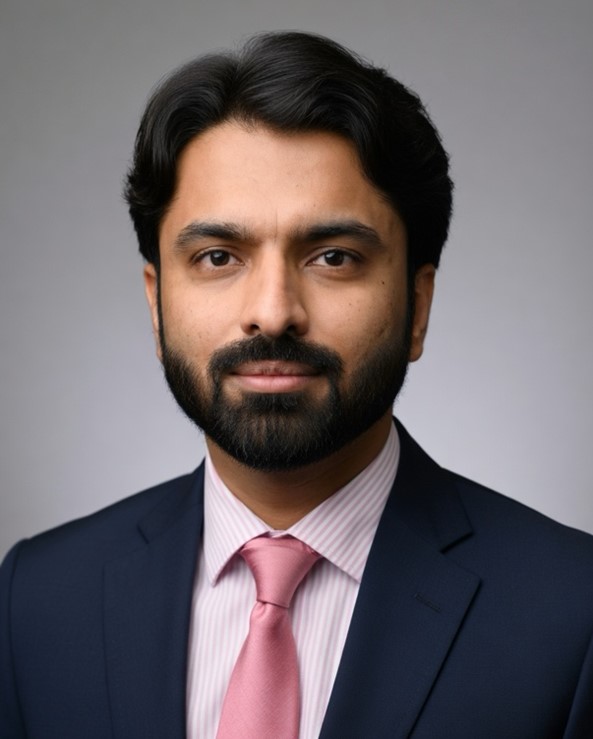
Usama Khawar

Malik Taimour Ahmad Khan
About the speakers
Usama Khawar — Advisor to the Speaker, Provincial Assembly of the Punjab; Head, Parliamentary Development Unit (PDU) / Parliamentary Development Research Centre (PDRC), Pakistan
Usama Khawar is Advisor to the Speaker of the Provincial Assembly of the Punjab, Pakistan, and Head of the Parliamentary Development Unit (PDU). A Fulbright Scholar with an LL.M. from Columbia Law School and an LL.M. in Comparative Constitutional Law from Central European University, Budapest, he has also studied at Lahore University of Management Sciences (LUMS), where he graduated on the Dean’s Honour List, and at American University Washington D.C. He has served at the Supreme Court of Pakistan, the Attorney General’s office, and the United Nations in New York. He practises as an Advocate with Indus Law, with a focus on constitutional and public law litigation. He has led landmark public interest litigation on occupational health, and currently advises on legislative reform, parliamentary capacity-building, and law and development — including a UNICEF-supported birth registration reform project in Khyber Pakhtunkhwa.
Malik Taimour Ahmad Khan — Junior Legislative Counsel, Parliamentary Development Research Centre (PDRC), Parliamentary Development Unit, Provincial Assembly of the Punjab, Pakistan
Taimour Ahmad Khan is a Junior Legislative Counsel with the Parliamentary Development Unit (PDU) and Parliamentary Development and Research Centre (PDRC), serving under the Office of the Advisor to the Speaker of the Provincial Assembly of Punjab.
In his role, Taimour supports the development and reform of provincial legislative processes, contributes to legislative drafting and analysis, and assists in parliamentary capacity-building initiatives. He works on constitutional matters, policy analysis, and institutional strengthening across Punjab's legislative framework.
A graduate of Cardiff University with a First Class LL.B Honours degree, Taimour brings a strong legal foundation to his work in legislative modernization and parliamentary governance. He continues to contribute to the PDU and PDRC's mandate of advancing legislative excellence and institutional parliamentary development in Punjab.
About the presentation
In post-colonial states like Pakistan, an overdeveloped bureaucratic executive has historically monopolised the legislative process — proposing and drafting law while elected legislators remain structurally marginalised. The barriers are technical as much as political: language, legal complexity, and drafting skill. Drawing on the Punjab Assembly’s Parliamentary Development Unit, this paper argues that artificial intelligence can close this asymmetry — enabling Members, in their own language and in real time, to comprehend and draft legislation, move amendments, frame budget proposals, and deploy oversight instruments such as questions, adjournment motions, calling-attention notices, and matters of urgent public importance.
Manfred Kohler, “Regulating as a Global Activity — State of Play and Trends”

Manfred Kohler
About the speaker
Manfred Kohler is the founder of the Regulatory Institute (www.howtoregulate.org (opens in new tab)), an independent consultant for law-making and member of the CALC artificial intelligence working group. He has spent most of his career at the European Commission, mainly by revising over 100 UNECE regulations on motor vehicles, the EU law on medical devices and on construction products. Via internal consultations and as internal consultant, he has contributed to dozens of other pieces of EU legislation. In parallel to his assignments, he inventoried the regulatory techniques used in EU legislation and worldwide. From late 2010 to early 2014, he trained over 300 colleagues in regulatory techniques. Manfred also developed a working method for legislative drafters and lawmakers, laid down in the Handbook “How to Regulate?”. He developed, drafted or contributed to most of the tools and articles accessible at www.howtoregulate.org (opens in new tab). Since 2023, he also regularly contributes methodological papers to CALC conferences and The Loophole.
About the presentation
This presentation aims to provide a global overview of our shared enterprise — the establishment of regulation. The presentation covers the following: the evolution of subject matters; the selection of subject matters; the volume, length and granularity of regulatory instruments; the number of policy and regulatory elements contained within them; drafting and elaboration methods; knowledge bases; and the cultural and jurisdictional influence zones that shape regulatory practice. The presentation concludes by identifying areas where the rationality and coherence of our common regulatory enterprise might be enhanced.
Liz Larbalestier and Isaac Mok, “Working draft(er)s: a conversation about early career drafting”

Liz Larbalestier

Isaac Mok
About the speakers
Liz Larbalestier, A/Principal Parliamentary Counsel, NSW Parliamentary Counsel’s Office, Australia
A senior drafter who came to drafting later in her government legal career after having worked at all levels of government in Australia with leadership experience managing in-house departmental legal teams. Liz is keen to support the next generation of leaders in the drafting community.
Isaac Mok, Assistant Parliamentary Counsel, NSW Parliamentary Counsel’s Office, Australia
Isaac is an Assistant Parliamentary Counsel at the NSW Parliamentary Counsel’s Office. With around four years of drafting experience, he came to drafting after several years as a lawyer in the NSW public service. At the NSW PCO, Isaac chairs the APC Committee, a group of early career drafters that meets regularly. Isaac is passionate about building community and support networks for drafters at the start of their careers.
About the session
A networking event for early career drafters aimed at promoting the objects of the CALC Constitution with a specific focus on supporting drafters at the start of their careers.
The event takes the form of a social gathering for those interested in building their network with CALC drafters who are in the early stages of their career (under 5 years of experience).
Other attendees who are interested in mentoring early career drafters are also welcome.
The social gathering would facilitate discussion by posing questions for attendees to discuss with one another and at the end provide feedback on common issues for further exploration at online meetups with other early career drafters.
Charles Lim Aeng Cheng, “Legislative Drafting for a World Transformed by Technology & Social Media”

Charles Lim Aeng Cheng
About the speaker
Charles Lim Aeng Cheng is currently the Principal Senior State Counsel of the Legislation Division of the Attorney-General’s Chambers and a Law Revision Commissioner. He was the Parliamentary Counsel in charge of the legislative drafting and law reform divisions and the Chief Knowledge Officer.
Charles served on the Advisory Council on Impact of New Media on Society, the National Internet Advisory Committee and the Commonwealth Expert Working Group on Legal Aspects of IT and the Related Law of Evidence (London, 2000 and 2002). He co-chaired the Singapore Academy of Law’s (“Academy”) Sub-Committee on the Legal Implications of Robotics and Artificial Intelligence. He is also a Vice-Chair of the UNESCO Intergovernmental Bioethics Committee.
Charles read law at Cambridge University (1976-1979). He was awarded the IT Leader Award by the Singapore Computer Society in 1999 for contributions to the legislative framework for E-Commerce. The Academy conferred on him its Merit Award (2008) and Singapore Law Award (2024) for contributions to the development of Singapore Law.
About the presentation
This paper shares some pointers and suggested approaches to the drafting of new and innovative laws relating to transformative technology (e.g. Gen AI and Blockchains) and social media in regulatory and civil liability contexts. How can drafters help strike a balance (1) between freedom of expression and protecting individual victims and (2) between precision and stifling innovation ? How do legislative drafting techniques of “technology neutrality” and “legislative agility” work in the face of agentic AI, deepfakes, cancel culture campaigns and driverless vehicles? What can drafters do when AI disrupts fundamental concepts of liability, responsibility and fault attribution? Are court processes and remedies still relevant for social media where trollers are anonymous and online harms go viral? Are there alternative solutions without resorting to court processes? Illustrations will be drawn from recent legislation in Singapore as well as leading Commonwealth jurisdictions.
David Marcello, “The Landscape of Legislative Drafting: Expanding the Drafter’s Role in an Authoritarian Age”

David Marcello
About the speaker
David Marcello is Executive Director of The Public Law Center at Tulane Law School, where he teaches Legislative and Administrative Advocacy to second and third-year law students. Since 1995, the Center has conducted a two-week International Legislative Drafting Institute with approximately 900 graduates from 100+ countries. Mr. Marcello has trained legislative drafters and parliamentary members in Bulgaria, the Dominican Republic, the Republic of Georgia, Kosovo, Moldova, Mongolia, the Netherlands, Nigeria, Puerto Rico, South Africa, Switzerland, Uganda, and Vietnam. He is a Phi Beta Kappa graduate of Williams College and graduated Order of the Coif from Tulane Law School.
About the presentation
A Tulane Law Review article on “The Ethics and Politics of Legislative Drafting” challenges the stereotypical view of drafters as neutral “scribes” who faithfully convert legislative policy to text, describing instead how the drafter’s subjectivity is inescapably part of the drafting process and inevitably influences the text. The 1996 article nevertheless embraced “neutrality” as an ideal goal for drafters, who should strive to realize policy as directed by members.
Now, 30 years later, in an authoritarian age when the rule of law and foundations of representative democracy are under assault, it’s time to reconsider drafters’ subordination to the direction of members and their relative passivity in the policy-making side of legislation.
Today’s circumstances call for a more robust “partnership” between drafters and members in which drafters supply text—perhaps multiple texts—that go beyond instructions to provoke policy discussions at the drafter’s initiative. These ideas obviously precipitate significant ethical questions, which will also be addressed.
Lucy Marsh-Smith, “Legislating in a changing office”
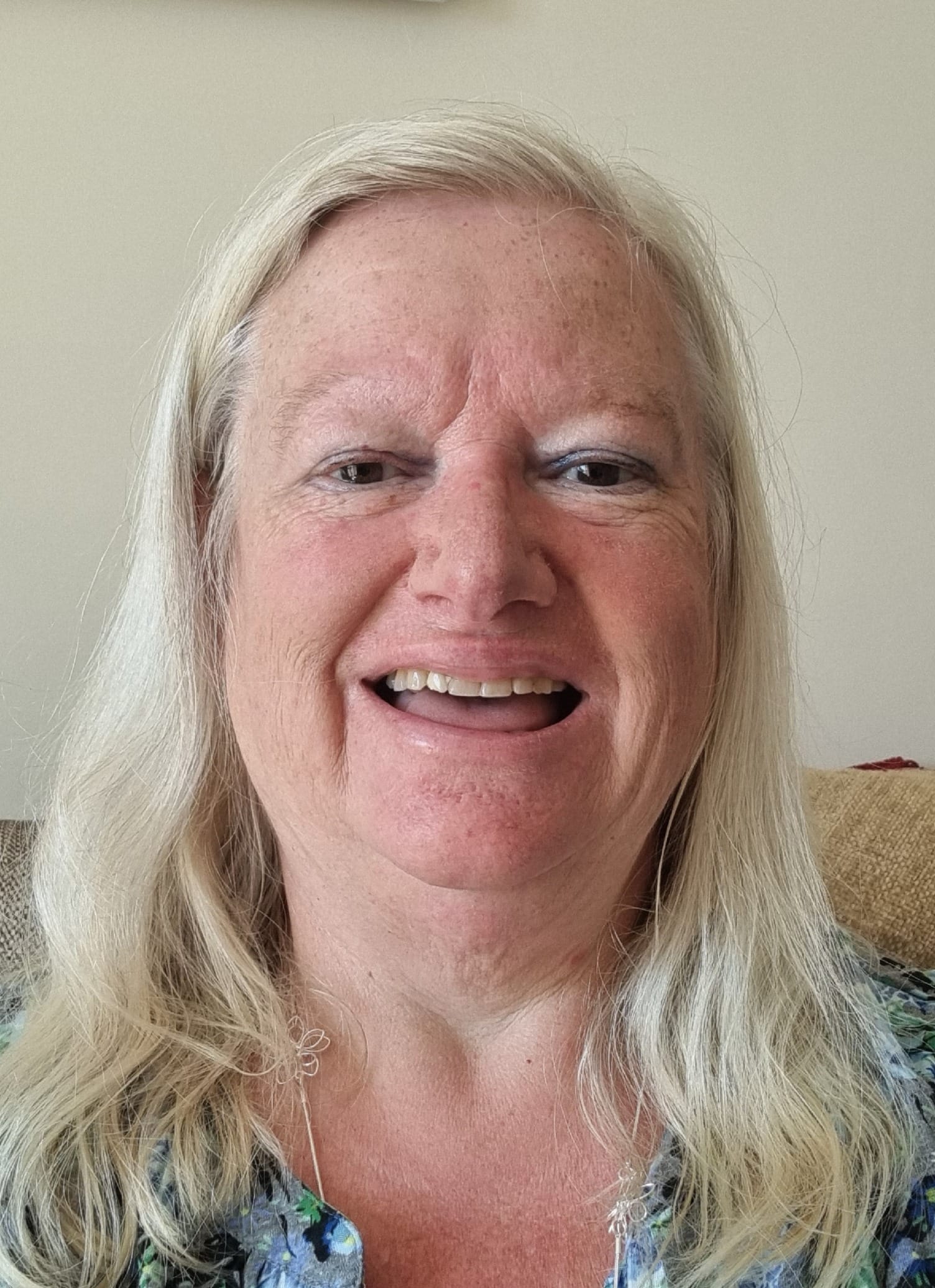
Lucy Marsh-Smith
About the speaker
Lucy Marsh-Smith is a UK-trained lawyer who started her career in the UK Government Legal Service. Her move to Jersey in 1996 led to a career in legislative drafting. She later moved into management, leading the Isle of Man drafting team 2008-13 and the Jersey Office since 2018. Lucy enjoys mentoring and teaching drafters and runs courses for the Civil Service College in London as well as acting as a tutor for the graduate diploma in legislative drafting at Athabasca University. She has a master’s degree in public law from London University and one in Jersey law from the Institute of Law in Jersey. She was a Council Member of CALC for the Europe Region for more than a decade.
About the presentation
Having just celebrated 30 years since first coming to Jersey as a drafter, Lucy Marsh-Smith, who has headed the drafting office for over 8 years, looks back on the seismic changes in the way Jersey produces and publishes its legislation. Her presentation will touch on:
Drafting style: how we keep up with plain English.
Recruiting an editorial team and trainee drafters.
Setting standards: how we look to raise the quality of our drafting and train our instructing officers.
Law Revision and consolidation: from annual updates to point in time.
Our evolving drafting template, other developing technologies and the Computer-Readable Legislation Project.
Benjamyn McKay, “Who Serves as the Drafter in an AI-Generated World? A Case Study of Alberta’s Whisky Act”

Benjamyn McKay
About the speaker
Benjamyn McKay, Executive Director of Legislative Strategy
Ben is a self-confessed parliamentary nerd who has been fortunate to build a career where an intimate knowledge of Alberta's Standing Orders is considered a professional asset. In his current role, Ben oversees the strategic coordination, drafting, and passage of government legislation, drawing upon extensive experience in parliamentary procedure, legislative operations, and Westminster governance.
While serving as both Chief of Staff and Executive Director of Legislative Strategy, Ben completed a Bachelor of Laws through The Open University.
About the presentation
This paper will present a case study of the use of artificial intelligence during the development of the Alberta Whisky Act, enacted by the Legislative Assembly of Alberta in 2026. Using this legislative initiative as a practical example, the paper will examine how artificial intelligence was incorporated into the drafting process and will consider its implications for legislative drafting within a Westminster parliamentary system.
Drawing on the experiences of those involved in the project, the paper will explore the practical and professional implications of AI-assisted drafting, including its impact on drafting management, workload distribution, revision and quality assurance processes, and the professional responsibilities of legislative counsel. It will also consider the public and parliamentary discussion generated by the use of artificial intelligence in the preparation of legislation, together with the broader questions it raises regarding transparency, accountability, and public confidence in the legislative process.
Finally, the paper will identify lessons arising from the Alberta experience and will consider the appropriate role of artificial intelligence in legislative drafting. It will explore how AI may enhance the efficiency and quality of legislative drafting while preserving the central role of legislative counsel in ensuring the accuracy, coherence, and constitutional integrity of legislation.
Eamonn Moran, “Facilitating the delegation of statutory powers: is there a role for an Interpretation Act?”

Eamonn Moran PSM KC SBS
About the speaker
Over the course of a long career, Eamonn has worked as a legislative counsel, as a solicitor, as a barrister, as a law reform commissioner, as an instructor in legislative drafting, as a member of various ministerial advisory committees and, from January 2018 to January 2025, as the head of the then Victorian Inspectorate (now called Integrity Oversight Victoria), a body that oversees Victoria’s anti-corruption body as well as other integrity entities.
He was Chief Parliamentary Counsel in Victoria between 1999 and 2008 and from then until June 2012 was Law Draftsman in Hong Kong. Eamonn received a Public Service Medal in Australia in 2005 for service to legislative drafting and public law and the promotion of plain legal language and in 2012 was awarded by the Hong Kong government a Silver Bauhinia Star (SBS) for dedicated service in law drafting in Hong Kong and his contribution to the development of plain language drafting in Hong Kong.
Eamonn is co-author of Modern Statutory Interpretation: Framework, Principles and Practice published in 2023 by Cambridge University Press.
Eamonn was appointed Queen’s Counsel (now King’s Counsel) in Victoria, Australia in 1998.
He was President of the Commonwealth Association of Legislative Counsel from 2007-2011 and President of Clarity International from 2016-2018.
About the presentation
In this paper Eamonn Moran discusses the important role delegation provisions play in public administration, looks at how Interpretation legislation can support their drafting and canvasses an issue about the scope of delegations that potentially might cause decision-making by delegates to be challenged.
Heinrich Muller, “A South African Update: The Delegation of Plenary Legislative Power and the Need for Executive Flexibility”

Heinrich Muller
About the speaker
Heinrich Muller is the Deputy-Director: Law Reform (Cape Town) at South Africa’s Department of Forestry, Fisheries and the Environment. Previously, he practised as a Specialist Environmental Law Attorney.
In his current role, his primary duties are the drafting of legislation (bills, delegated legislation and other instruments) and legal advisory work. His formal education is an LLB, LLM (Environmental Law) and a Certificate in Legislative Drafting (with distinction).
Heinrich has co-drafted and led the drafting of several Bills in the environmental sector as well as key delegated legislative instruments including the Dumping at Sea Regulations (2017) to give effect to the London Convention and Protocol, the Reclamation of Land from Coastal Waters Regulations, the Coastal Waters Discharge Permit Regulations as well as the country’s first General (Coastal) Discharge Authorisation, (a self-regulatory system that assists small businesses with regulatory reform).
After obtaining the highest distinction in the history of the Post-Graduate Certificate in Legislative Drafting from the University of Johannesburg, Heinrich joined the course in 2019 as a co-lecturer for the courses, “Introduction to Legislative Drafting” and “Advanced Legislative Drafting” now presented at the University of Cape Town.
In 2024, Heinrich co-authored a textbook on legislative drafting peculiar to drafting practices in South Africa, titled “Introduction to Legislative Drafting”.
Heinrich is passionate about legislative drafting. He enjoys teaching and promoting the importance of the subject-matter. He is also involved in various ongoing training initiatives of senior policy-leaders, legal advisors and MPs of legislatures.
Heinrich’s core belief is that good quality legislation is the key to unlocking socio-economic growth. Rather than being a hurdle to overcome, legislation should facilitate growth. Legislative drafters are key in this regard.
About the presentation
Since the Constitutional Court’s 1995 Executive Council judgment, South African courts have generally maintained a stringent approach to the delegation of plenary legislative power, often invalidating provisions that empower the executive to amend Acts of Parliament, including schedules to Acts of Parliament. However, modern executive governance increasingly depends on a certain level of flexibility.
The issue has recently re-emerged in the context of executive action based on delegated power, culminating in the judgments of Nu Africa v President of RSA (2023) by the Constitutional Court and the High Court’s 2025 ruling in DA v Minister of Finance, where the High Court declared provisions of the Value-Added Tax Act of 1991 unconstitutional for conferring plenary legislative power without adequate constitutional safeguards. The presentation highlights judicial pronouncements on the issue in the context of arguments for executive flexibility. Additionally, the presentation reveals judicial guidance on the factors to consider when crafting legislative schemes that provide executive flexibility in the form of delegated power, but which preserves constitutional supremacy.
Kiratipong Naewmalee, “Evidence-Based Lawmaking: Thailand’s Legislative Drafting Act and Comparative Insights from the Commonwealth”

Dr. Kiratipong Naewmalee
About the speaker
Dr. Kiratipong Naewmalee serves as Senior Research Fellow at the Thailand Development Research Institute (TDRI), where his work centers on advancing legal development and reform. His expertise spans regulatory modernization, public governance, and institutional reform, reflected in his published research and advisory roles. He also holds judicial appointment as an Associated Judge at the Central Intellectual Property and International Trade Court of Thailand, and contributes to national policy as a member of the Subcommittee for the Office of the National Broadcasting and Telecommunications Commission of Thailand, as well as the Fast Track Regulatory Reform for the Capital Market.
A recognized advocate of legal modernization, Dr. Naewmalee is frequently invited to lecture at leading Thai universities and to provide expert commentary on regulatory reform and governance. He earned his Ph.D. in Law from the University of Wollongong, Australia, an LL.M. in International Investment Law from the University of Ottawa, Canada, and an LL.B. from Ramkhamhaeng University, Thailand.
About the presentation
Regulatory Impact Assessment (RIA) has emerged as an essential instrument of evidence-based policymaking, ensuring that laws are not only well-intentioned but also practical, economically efficient, and socially accountable. Without RIA, legislative processes risk producing regulations disconnected from economic realities, imposing unnecessary burdens on businesses and citizens, and eroding public trust. Recognizing these risks, Thailand constitutionalized RIA under Section 77 of the 2017 Constitution and further formalized the requirement through the 2019 Act on Legislative Drafting and Evaluation of Law, mandating impact analysis and public consultation prior to the enactment of both primary legislation and subordinate regulations.
This article examines Thailand’s RIA framework in comparative perspective with three high-performing Commonwealth jurisdictions — the United Kingdom, Australia, and Canada — all of which score above the OECD average in RIA quality, oversight, and transparency. The comparative analysis covers six key dimensions: legal basis, scope, methodology, consultation, transparency, and oversight bodies.
The findings indicate that Thailand’s constitutional foundation is robust and its institutional framework broadly consistent with OECD principles. However, some gaps remain in analytical rigor, oversight capacity, consultation depth, and the disproportionate ex ante review framework, which imposes costs incommensurate with regulatory impacts. Some key lessons emerge from international practice: adopting Australia’s tiered quality-rating system and mandatory cost quantification; strengthening independent scrutiny of options and impact assessments through a body modeled on the UK’s Regulatory Policy Committee, supported by threshold-based triggers to concentrate resources on high-impact regulations; and incorporating Canada’s inclusive Gender-Based Analysis Plus framework alongside extended consultation periods. Addressing these shortcomings would significantly enhance Thailand’s evidence-based regulatory governance and overall efficiency.
Shaquille K Newton, “Operationalizing Legislative Quality: A comparative analysis of drafting techniques used in Barbados, the United Kingdom, and New Zealand”

Shaquille K Newton
About the speaker
Shaquille Newton is an Attorney-at-Law and legislative drafter from Barbados with drafting experience across a breadth of areas including public law, intellectual property law, and renewable energy law. Currently, in his role as a Senior Legal Adviser in the United Kingdom’s Foreign, Commonwealth and Development Office (FCDO) he focuses on legislative reform to the criminal justice systems in the Commonwealth Caribbean. He was a Parliamentary Counsel in the Office of the Chief Parliamentary Counsel in the Attorney General’s Chambers of Barbados for five years.
Shaquille holds an LL.M. with Distinction in Drafting Legislation, Regulation and Policy from the University of London, which he pursued as a Chevening Scholar. He also holds an LL.M. in Corporate and Commercial Law and an LL.B. both from the University of the West Indies, the Legal Education Certificate from the Hugh Wooding Law School, and the Certificate in Consolidation of Laws from the Regional Law Revision Centre, Anguilla. He has published in the fields of legislative drafting, law reform and legisprudence with his scholarly work appearing in The Loophole and the European Journal of Law Reform, among other publications.
About the presentation
This paper examines how the drafting conventions used in Barbados, the United Kingdom and New Zealand contribute to legislative quality (i.e. effective legislation). Drafting conventions such as legislative structure, purpose clauses, plain-language and gender neutral drafting in the three jurisdictions will be analysed comparatively to illustrate how these conventions contribute to legislative quality.
Ning Jia, “Legislating the Conditions for Digital Criminal Procedure in a Changing World”

Ning Jia
About the speaker
Ning Jia is a Lecturer in Law at the School of Law, Changsha University of Science and Technology, China, and a member of its Center for Local Legislation Research. She holds a PhD in Law from Hunan University. Before joining academia, she worked in the Chinese court system for seven years, focusing on criminal justice practice and judicial research. She has participated in research, consultation and drafting support for several provincial and subnational legislative projects in Hunan. Her research interests include criminal procedure, digital justice, evidence, sentencing governance, prosecutorial discretion and legislative design. Her current work examines how criminal procedure can respond to digital transformation while preserving fairness, defence participation and institutional accountability.
About the presentation
This presentation argues that legislation for digital criminal procedure should not chase every technological development or rely only on generic technology-neutral language. Its task is to define the legal conditions under which digital tools may be introduced into, and operate within, criminal procedure.
Drawing on legislative design and procedural justice theory, it proposes a three-layer drafting model: stable statutory guarantees, adaptive conditions for lawful digital use, and updateable technical standards in subordinate rules or protocols. It also argues that legislative consultation should give particular weight to those who bear procedural burdens, especially defendants and defence actors when digitalisation affects participation, communication, and evidential contestability.
Genevieve Parke, “Drafting to Criminalise Misogyny”

Genevieve Parke
About the speaker
Raised in Northern Ireland, Genevieve read law at Trinity College Dublin and the London School of Economics. She was called to the Bar of England and Wales in 2006 and practised as a barrister in London for 13 years, latterly, as a member of the Attorney General’s Panel, representing various UK Government departments in a range of civil litigation. Having married a Scot and moved to Edinburgh, she became a drafter in 2019 when she joined the Scottish Government’s Office of Parliamentary Counsel, where she has remained since. She qualified as a solicitor in Scotland in 2025. She has been involved in teaching law at Queens University Belfast, the London School of Economics and Edinburgh University. In addition to her drafting work, she delivers training on statutory interpretation and runs her office’s exchange programmes with other UK and Irish drafting offices.
About the presentation
As misogyny surges in public discourse, especially online, calls for a legislative response grow, but drafting such legislation is challenging. In the context of the recent UN Women report on the escalation of online violence against women in the public sphere, this presentation will outline possible models for criminalising misogyny, referring to real world examples, including the Singaporean Harassment Court, the Online Criminal Harms Act 2023 and the recent Online Safety (Relief and Accountability) Act 2025. It will consider the challenges in drafting to criminalise misogyny including issues around the meaning of “sex” and “gender”.
Ross Pey, “Default Interpretive Rules in a Changing World”

Ross Pey
About the speaker
Ross specialises in statutory interpretation (including comparative statutory interpretation) at the University of Western Ontario. His thesis maps the current approach to statutory interpretation in the UK, including the nature of bilingual interpretation in Wales. In Edinburgh, he analysed the interpretation and operation of Brexit legislation. Additionally, Ross retains an interest in tax law (specifically tax avoidance and interpretation) and the conflict of laws. Ross held visiting posts at the University of Cambridge, Yong Pung How School of Law (Singapore Management University), and the National University of Singapore. Ross is also appointed as the UK national report for European Collaborations on the conflict of laws and tax interpretation.
About the presentation
Legislation has to deal with all sorts of eventualities. Often, a statute, potentially of high vintage, is invoked in uncontemplated situations. Examples include technological developments, conflicting statutes, and the invocation of forum statutes in a conflict of laws context. From the UK case law, an a priori classification does not seem relevant. Rather, the approach is the normal purposive approach. This presentation discusses how the UK courts have relied on a statute’s text, context, and purpose to resolve examples of uncontemplated scenarios, such as technological developments, conflicting statutes, and the use of statutes in the choice of law context.
Ben Piper, “Laws and Plain Language: the state of play, 40 years on”

Ben Piper
About the speaker
From 1985 to 2006 I worked as a legislative drafter in the Office of the Chief Parliamentary Counsel, Victoria, Australia. From 2006 to 2013 I worked at the National Transport Commission (Australia). Throughout that time I was the Commission’s chief legislative drafter, but I also worked in legal and policy areas. I had a great interest in plain language throughout my working career, and that interest continues, unabated.
Since late 2013 I have tried to do as little as possible, but I couldn’t resist writing 2 of the world’s least successful e-books: “How to buy a house at auction in Victoria” and “Ideas for Modern Weddings”. Since 2014 I have been an instructor for Athabasca University’s Graduate Diploma in Legislative Drafting program.
About the presentation
In mid 1985 a directive was issued that the laws of Victoria, Australia should be written in Plain English. It was a world first, sort of.
The directive had some effect. Victoria started drafting laws in Plain English in 1986. Since then many other jurisdictions have followed suit.
40 years have passed, and it’s fair to ask: what’s the state of play?
How many Commonwealth countries now write their laws in Plain Language? How plain is “Plain”? Is there a trend? Has there been any backsliding? How well known is progress in this area?
Saira Salimi, “Parliamentary sovereignty, separation of powers and the legislative process”
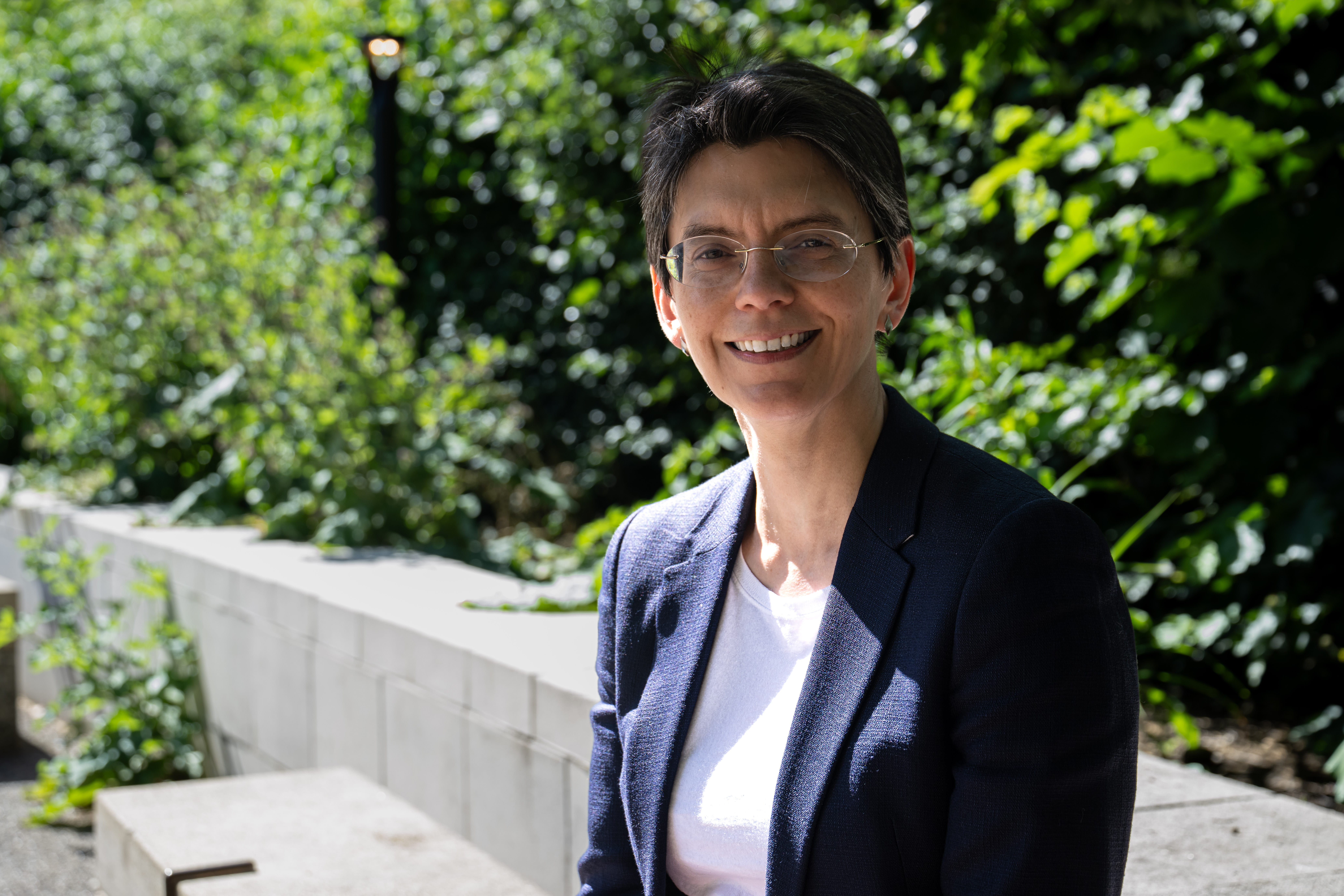
Saira Salimi
About the speaker
Saira Salimi is Speaker’s Counsel of the House of Commons and head of the legal team there. She has held that post since October 2016. She advises the Speaker and the Clerk of the House on constitutional matters, particularly Parliamentary privilege. She and her team of 25 lawyers are responsible for advice to the House of Commons and its Committees, and to joint Committees with the House of Lords, as well as to all the departments of the House of Commons Administration. She also works closely with her counterpart in the House of Lords on matters affecting both Houses.
Before becoming Speaker’s Counsel, she was the Deputy Official Solicitor to the Church of England for five years. She moved to that role from the Office of Parliamentary Counsel in London, where she worked for eight years as a drafter.
About the presentation
This paper will offer some reflections on parliamentary procedure and the legislative process from Westminster. It will draw on recent Parliamentary experience of management of proper processes for withdrawal of statutory instruments once laid, or of other documents, such as statements made under a statutory provision, laid before one or both Houses of Parliament, noting that matters that appear to be administrative difficulties may actually be closely and importantly connected with the rule of law.
Rebecca Scott, “Can a tiger be a pet? The Australian approach to interpreting defined terms in statute”

Rebecca Scott
About the speaker
Rebecca Scott has been an Assistant Parliamentary Counsel in the Office of the Queensland Parliamentary Counsel since 2024. Prior to joining OQPC, Rebecca started her career as a solicitor, working first in commercial law and then in the community legal sector, and also worked as in a policy role for the Department of Justice and Attorney-General in Queensland. Rebecca holds a Bachelor of Law (Honours) and Master of Law from the University of Queensland as well as a Bachelor of Arts-International Studies from the University of Wisconsin-Madison. She has a particular interest in linguistics and the use of language in statute.
About the presentation
Defined terms are a useful tool for making legislation shorter and more user-friendly. However, interpreting defined terms in legislation is not always a straightforward exercise. In Australia, the case law on this topic is somewhat confused about whether and how the words of a defined term can assist in interpreting the scope of a definition.
This presentation will briefly outline the Australian approach to interpretation of defined terms and make the case for the fundamental importance of interpretation in context. It will also discuss important considerations for drafters in creating defined terms in legislation.
Seow Zhixiang, “Singapore’s legislative philosophy through the lens of public housing”

Seow Zhixiang
About the speaker
Seow Zhixiang is a Senior State Counsel in the Legislation Division of the Attorney-General’s Chambers of Singapore. He previously held posts at the Supreme Court, the Ministry of Law and the Prime Minister’s Office. He read law at the National University of Singapore (LLB, 2009) and Oxford University (BCL, 2016). He has an interest in constitutional matters and parliamentary procedure.
About the presentation
This presentation gives an overview of Singapore’s legislative philosophy through the lens of public housing, where around 80% of Singapore’s resident population lives. It looks at land acquisition and resettlement, the delivery of public housing by the Housing and Development Board, the legal status of public housing, and how public housing features in constitutional and governance innovations. It will also briefly touch on the emerging issues of community disputes and expiring leases. The presentation will give a sense of how Singapore charts its own path in developing its legislative framework.
Tara Smith, “Editing for Legislative Resilience: Transferable Cross Disciplinary Editorial Skills to Strengthen Legislative Drafts”

Dr. Tara Smith
About the speaker
Dr. Tara Smith is the Legislative Editor in the Office of the Parliamentary Counsel to the Government in Ireland, where she has established and led the Legislative Editing Unit since October 2023. Tara previously held senior roles in the Irish public service and academia, including in the Department of Children, Equality, Disability, Integration and Youth and as Associate Pro‑Vice‑Chancellor and Senior Lecturer in International Law at Bangor University in Wales. Earlier in her career, Tara worked in the Law Reform Commission of Ireland, the Irish Department of Foreign Affairs and Trade, the National University of Ireland, Galway, and the International Institute for Higher Studies in Criminal Sciences in Italy. Tara holds a PhD in International Law and she is qualified as a Solicitor in England and Wales and as an Attorney in New York. Her research into legal issues at the intersection of human rights, armed conflict and climate change has been published widely.
About the presentation
This paper explores how practical editorial skills from beyond the legislative sphere, such as in technical, academic, and literary publishing, can inform approaches to legislative drafting and editing that support the development of resilient legislation in a changing world. Although shaped by different objectives, these editorial disciplines address challenges that are closely aligned to core drafting tasks. This paper identifies relevant transferrable cross-disciplinary editorial skills to inspire novel techniques in legislative drafting and editing that can strengthen legislative texts, preserve policy intent, and support effective interpretation as legal, social, and technical contexts evolve in unpredictable ways over time.
Mason Stott, “Legislative Reform to Foster a Sustainable Orbital Launch Industry”

Mason Stott
About the speaker
Mason Stott is a lawyer with the Province of Saskatchewan's Ministry of Justice's Legislative Drafting Branch, in Regina, Saskatchewan, Canada. He obtained his Juris Doctor (2019), LLM (2022), and Bachelor of Commerce (2015) from the University of Saskatchewan, and his Master of Public Policy from the University of Calgary (2016).
About the presentation
Orbital rocketry is a type of economic, engineering, and scientific activity that is new to many countries and there are uncertainties about how to properly legislate and regulate in this area. In this presentation, Mason Stott will review the comparative analyses he undertook as part of his LLM thesis, wherein he investigated the United Nations five multilateral space law treaties from the 1960s and 1970s, as well as foreign legislative schemes from multiple countries, and other space-related legislation from Canada, to gain valuable ideas on how to legislate in this area. His reviews provide solid foundational content that any country new to orbital launching can use to effectively legislate on the matter in a way that draws potential investment and business opportunities into a country, but also in a sustainable and responsible manner while upholding national security and defence interests, respecting international law, and protecting the environment, property, and human health and safety.
Matthew Waddington, “Updating what we tell ourselves about “the legislative sentence” for the AI age”

Matthew Waddington
About the speaker
Matthew Waddington leads the Computer-Readable Legislation Project at the Legislative Drafting Office in Jersey. He retired last year after 22 years as a drafter, but is continuing with the project as a volunteer. He has written and presented for CALC and others, offering a legislative drafter’s perspective on the goal of formalising and digitising legislation’s logical structure to enable computers to guide human readers through the twists and turns of our drafts. He is not a techie (and dislikes smartphones), but studied formal logic years ago and always thought it should be useful for drafters and their readers. He believes the time is ripe to update the standard textbooks and training materials on legislative drafting to reflect what has been learnt from work with logicians and programmers.
About the presentation
This presentation outlines the Computer-Readable Legislation Project’s work to help legislative counsel update how we see “the legislative sentence”. People struggle to follow our networks of definitions, exceptions to exceptions, and so on. They increasingly turn to AI to understand legislation, but AI gets lost too. We need to be clearer in our own minds about the basic elements and structures that we are creating so that our readers, human and AI, stay on track. Commonwealth drafters have been improving the rigour of our drafting since 1854. We propose ways to help drafters take that further for the AI age.
Richard Wallace, “Leveraging data for effective management of the legislative pipeline”
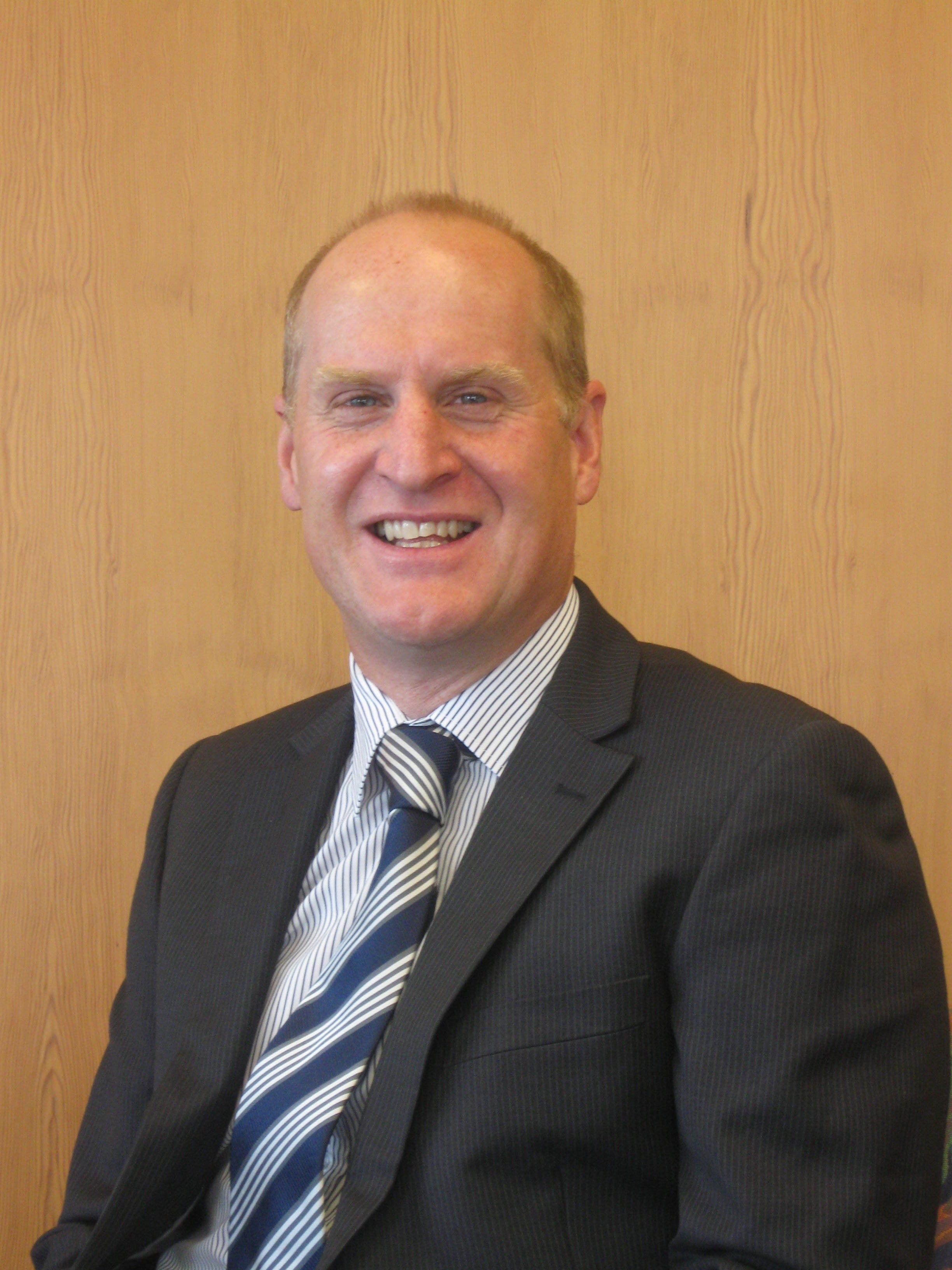
Richard Wallace
About the speaker
Richard Wallace is the Deputy Chief Parliamentary Counsel (Drafting) in the New Zealand Parliamentary Counsel Office (PCO). He leads the PCO’s Drafting Group.
Richard has been a Parliamentary Counsel since 2003 and managed 1 of the PCO’s Drafting Teams from 2012 to 2021. As well as his drafting and management experience, Richard has played key roles in other initiatives of the PCO, including the PCO’s Access to Secondary Legislation project, work in understanding the impact of digital transformation and drafting as code on the drafting and publication work of PCO, and the original establishment of the PCO’s Pacific Island Drafting Desk.
Richard worked in private practice before joining the PCO. He has an LLB (Hons) and BA in te reo Māori.
About the presentation
Most legislative drafting offices struggle with the volume of work they are instructed to produce and knowing what to prioritise.
In New Zealand’s Parliamentary Counsel Office, we capture data to —
compare the legislation that is ready to progress against the number of Parliamentary hours available in order to agree with the Government the legislation they want us to prioritise each quarter;
show long-term legislative trends (spoiler alert – year on year we are producing more legislation, and that legislation is longer and more complex);
show medium to short term legislative trends (spoiler alert – legislation is being produced in shorter periods of time, with less use of select committees, and more use of urgency);
identify and report on risks with particular pieces of legislation, overall trends, and the most effective mitigations.
We have successfully leveraged this information to encourage changes to the legislative process and better legislative outcomes. This ensures the Government’s top legislative priorities are met, and our office and instructing agencies know where to focus our collective resources and efforts. It’s a win for everyone.
Every office’s situation and experience will differ, but there are aspects of the New Zealand experience that will likely be of interest and use to all drafting offices.
Sanya Yadav, “Traversing the Reforms and the Future Legislation of International Investment Law for Treaty Arbitration”
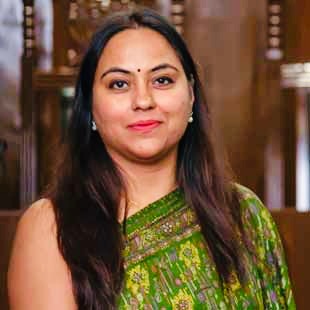
Dr. Sanya Yadav
About the speaker
Dr. Sanya Yadav, Asst. Professor, School of Law, Bennett University, India
Dr. Sanya Yadav is an emerging scholar in the field of law with a strong interdisciplinary focus on International Trade Law, Investment Law, Human Rights and Contract Law. She is currently working as Assistant Professor at School of Law Bennett University, India. She has more than decade of teaching and research experience. Dr. Yadav has completed her Ph.D. from National Law University, Jodhpur, Rajasthan in 2021. Dr. Yadav holds LL.M.(Hons.) degree in International Trade Law (Gold Medallist) from National University of Advanced Legal Studies Kochi, Kerala. She has been awarded as First Rank holder in LL.M. (Hons.) degree. The Nani. A. Palkiwala Memorial Trust Mumbai selected Dr. Yadav for the prestigious Nani. A Palkivala Endowment Gold Medal Award on her outstanding academic excellence in LL.M. She has also completed the course on International Law and Arbitration from Ankara, Turkey. Dr. Yadav has an extensive and impactful publication record comprising research papers and book chapters in reputed Scopus, Web of Science. Dr. Yadav has edited 5 Books, 42 Research Paper including book chapters and more than 70 paper presentation in national and international conferences. Dr. Yadav has a remarkable record of participation and presentation in international and national conferences across countries such as Prague, Slovenia, Georgia, Turkey, United Kingdom, Vienna, Oxford, Hongkong. Dr. Yadav Received Young Faculty 2023 Award Centre for Education Growth and Research (Think Tank), New Delhi during the Second Summit on Vision 2047 in Education held on 18th April 2023. In addition to her academic and research accomplishments, Dr. Yadav has received several awards and recognitions in paper presentation. Her leadership roles, including convenorship of moot court, further highlight his administrative and academic leadership capabilities.
About the presentation
The landscape of arbitration procedure in international investment treaties through “Investor State Dispute Settlement (ISDS)” has witnessed significant developments in the last decade. The research analyses the need to replace such IIAs legislations and highlights on the various bilateral investment treaties (BITs) and India Model 2016 which includes provisions with ISDS reforms.
The new generation investment treaties aim to safeguard the state rights to regulate while protecting the interests of the investors and act as the catalysts to promote sustainable investment. The research evaluates the most prominent decisions given by arbitral tribunals in the recent past and specific cases and jurisdictions where IIA arbitration reform measures have been adopted and the outcomes are studied.
Archie Zariski, “The Development of Plain Language Drafting Culture: Australia, Canada and New Zealand”

Archie Zariski BA, LLB, LLM, GDip HEd
About the speaker
Archie Zariski BA, LLB, LLM, GDip HEd, is Professor of Legal Studies and Director of the Graduate Diploma in Legislative Drafting at Athabasca University. After practicing as a litigator in Alberta, Canada he pursued a second career as a legal academic at Murdoch University Australia and the University of Alberta and Athabasca University in Canada. His research and writing spans the areas of alternative dispute resolution, legal education, and legislative drafting.
About the presentation
The development of plain language drafting has required culture change in drafting offices. This presentation explores the drivers of such change including political will and the leadership of senior legislative counsel. Where both are stronger the philosophy and practice of plain language drafting has developed to the greatest degree exemplified by what I call "plain language+". Plain language+ goes beyond simplicity and clarity of style to include explicit aids to understanding and use of legislation that traditionally were not included in legislative text. Accessibility is now the touchstone of plain language legislation.
Fireside chat with Jessica de Mounteney and Andy Beattie on the leadership challenges of running a drafting office
Jessica de Mounteney

Andy Beattie
About the speakers
Jessica de Mounteney, First Parliamentary Counsel, Office of the Parliamentary Counsel, UK
Jessica de Mounteney was called to the Bar in 1994, and undertook mainly criminal work until she joined the Office of the Parliamentary Counsel as a drafter in 1997. Since then, she has worked on a very wide range of legislative projects, has been seconded twice to the Law Commission of England and Wales, and spent time in the Government Legal Department as Director General. In May 2024, Jessica became the First Parliamentary Counsel and Permanent Secretary, Government in Parliament Group. She is also Parliamentary Champion for the Cabinet Office. Jessica has contributed to numerous CALC conferences and collaborates with drafting offices across the Commonwealth.
Andy Beattie, Chief Parliamentary Counsel, Parliamentary Counsel Office, Scotland
Andy joined the Scottish Government’s Parliamentary Counsel Office in 1999, at the same time as the Scottish Parliament was re-established, and spent the following years drafting Acts of the Scottish Parliament across a wide range of topics. Appointed as Chief Parliamentary Counsel in 2012, Andy is proud to lead a legislative drafting office with the rich expertise, creative flair and team spirit needed to draft high quality law.
As CALC President from 2022 to 2024, and currently serving on the CALC Council as Past President, Andy promotes the importance of effective legislative drafting to maintaining the rule of law and encourages collaboration between legislative drafters across the Commonwealth and beyond.
Andy has a longstanding interest in helping develop, maintain and modernise legislative standards internationally. He has participated in many projects to improve the capability and capacity of Governments and Parliaments to make good law, which have included initiatives with legislators in Pakistan, Ukraine, Zambia, Namibia, Malawi, Indonesia, Laos, Singapore, the Maldives, Greece, the Philippines and Brazil.
About the session
This session will provide an opportunity to hear Jessica and Andy in conversation as they draw on their experience to reflect on the leadership challenges of running a drafting office.
Panel: Drafting and the art of negotiation in a changing world
Mr Phil Chessum
Ms Michelle Daley
Mr Aleks Hynna
Ms Natalie Plumstead
Chair
About the panellists
Ms Natalie Plumstead (Australia)
Natalie is Principal and Director of Natalie Plumstead Legal Consulting Pty Ltd a practice committed to improving the clarity and efficacy of the law. She is a legislative drafter and instructor with extensive experience drafting for subnational and national governments in Australia and internationally. She drafts primary and subordinate legislation and instructs on innovative legislative reforms.
Natalie has a depth of experience and skills in leading and supporting government lawyers with the conceptual analysis of legislative proposals, to understand the legislative process from policy to implementation.
Along with her drafting practice, she provides individuals with representation in mental health matters focused on their human rights. Natalie sits on the Disability Law Committee and Health Law Committee of the Law Institute of Victoria. She is also on the Victoria Legal Aid Equity & Diversity List and regular contributor to the Law Institute Journal on equality and disability law matters.
Mr Phil Chessum (UK)
Phil Chessum is a Director General in the Office of the Parliamentary Counsel (London).
He leads the team that drafts for the Foreign, Commonwealth and Development Office, the Department for Business and Trade, the Ministry of Housing, Communities and Local Government and the Department for Health and Social Care. He also leads on equalities and the UK’s relationship with the EU.
Since joining OPC in 2008, Phil has drafted a wide range of legislation, including on tax, public spending, local government, criminal justice, national security, planning, the environment and international relations. His work has led the way internationally, e.g. on implementing OECD recommendations.
Beyond the UK, Phil has drafted legislation on civil service reform for another Commonwealth country and has worked on financial services legislation for another country while on secondment to the finance department of a major Anglo-American law firm. He is the Secretary of CALC.
Ms Michelle Daley (West Indies)
Michelle A R Daley is an Attorney-at-Law and experienced legislative drafter with nearly three decades of practice across the Commonwealth Caribbean and beyond, Michelle has held senior drafting positions in the Government service including Chief Parliamentary Counsel of Anguilla. Michelle is currently the Legislative Consultant to the Attorney General’s Chambers of the British Virgin Islands. She has drafted hundreds of pieces of primary and subsidiary legislation covering a wide range of legal areas and for multiple jurisdictions, including Jamaica, The British Virgin Islands, the Cayman Islands, Belize, Anguilla, The United Arab Emirates (DIFC, Dubai), Grenada, St. Kitts and Nevis, St. Lucia and St. Vincent and the Grenadines. Michelle has also led the development of harmonized legislation for the Organization of Eastern Caribbean States (OECS) and CARICOM. She is currently serving her second term as Vice President of the Commonwealth Association of Legislative Counsels (CALC).
Mr Aleks Hynna (Canada)
Aleksander Hynnä is General Counsel with the Department of Justice Canada’s Legislation Section. He has been practising law since 2001 and joined the Section as legislative counsel in 2007. He has drafted legislation in areas such as criminal law, intellectual property law, law in relation to Indigenous peoples, financial legislation, and more. His previous work experience includes working as drafter in the Legislative Drafting Office of Jersey, as an instructor in Athabasca University’s graduate program in legislative drafting, as DOJ counsel advising on Indigenous law matters and as litigation counsel in private practice. He has an LL.M. in constitutional law (Osgoode Hall), an LL.B. (Toronto) and a B.Mus. (McGill).
Aleksander currently serves as the Editor in Chief of The Loophole, the journal of the Commonwealth Association of Legislative Counsel. He regularly provides training to other counsel on legislative drafting and parliamentary procedure.
About the panel
Negotiated legislative solutions are needed with increasing pressure of unpredictable electoral systems. (Secretary General of the Council of Europe, State of Democracy, Human Rights and the Rule of Law. Populism – How strong are Europe’s checks and balances? (2017) 78.)
What impact are less stable and predictable legislatures having on the boundary between drafter and policymaker?
Are there new approaches that drafters are exploring to work with policymakers?
Is the common law model of the exclusivity of the drafting task sustainable? When should a drafter become involved in legislative proposals? (Professor Helen Xanthaki, Thornton’s Legislative Drafting (5th ed, 2013) 143.)
Panel: Law Reform Agencies and the role of Legislative Drafting

The Hon. Anthony North KC

Professor Penney Lewis

Matthew Jolley
Chair
About the panellists
The Hon. Anthony North KC
The Chairperson of the VLRC is the Hon Tony North KC. Mr North is a former judge of the Federal Court and the Supreme Court of the Australian Capital Territory. Admitted to the Victorian Bar in 1976, he was appointed Queen's Counsel in 1989. In 1995, Mr North was made judge of the Federal Court of Australia, where he served until his retirement in 2018. He also served, from 2004, as additional judge of the Supreme Court of the ACT. During his time as judge, Mr North presided over cases involving constitutional and commercial law, industrial and employment law, taxation, intellectual property and native title. He holds a Bachelor of Arts and Bachelor of Laws with Honours from the University of Melbourne and a Master of Laws from the University of London. In January 2024 Mr North was appointed a Commissioner of the Yoorrook Justice Commission and took leave from the VLRC to fulfil that role until March 2025. He was appointed President of the Commonwealth Association of Law Reform Agencies in 2025.
Matthew Jolley
Matthew Jolley qualified as a solicitor in 1998 at Linklaters, London, where he worked as a Managing Associate specialising in trusts, charities and private client law. He joined the Law Commission of England and Wales in 2003 as Manager of the Property, Family and Trusts team. He worked on trust law reform before leading the team’s projects on a wide range of areas including cohabitation, intestacy and wills, land registration, weddings, charities, residential leases and financial remedies on divorce. Since 2019 he has acted as Head of Legal at the Commission, working with the Chair, CEOs and Commissioners on a range of strategic issues, and is responsible for the Commission’s international engagement. He sits as a judge in the Mental Health Tribunal.
Professor Penney Lewis
Professor Penney Lewis joined the Law Commission of England and Wales as Commissioner for Criminal Law in 2020. Since arriving at the Commission, she has completed projects on the Protection of Official Data, Search Warrants, Misconduct in Public Office, Modernising Communications Offences, Hate Crime, Corporate Criminal Liability, Confiscation of the Proceeds of Crime, Intimate Image Abuse and Evidence in Sexual Offences Prosecutions. Recommendations from four of those projects have been recently implemented by Parliament; recommendations from six of them are currently before Parliament. Her current projects include Criminal Appeals, Contempt of Court and Homicide. She is also a Member of the Home Office’s Science and Technology Ethics Advisory Committee.
Previously she was Professor of Law and Co-Director of the Centre of Medical Law and Ethics in the Dickson Poon School of Law, King’s College London and a Member of the Human Tissue Authority.
The panellists are from the Commonwealth Association of Law Reform Agencies.
About the panel
The Commonwealth Association of Law Reform Agencies represents law reformers from around the world and is holding its conference in Singapore directly before the CALC conference. This presentation will explore the role of legislative drafting in law reform. In some jurisdictions, law reform agencies work with drafters during the course of reform projects, publishing draft legislation alongside recommendations for reform. Other agencies take a different approach, focusing on solely on recommendations for reform and leaving it to Government to produce legislation when implementing those recommendations. The presentation will explain, and explore the merits of, each of these approaches.
Panel: Use of AI in Drafting Offices

Jeanne Lee
Chair

Arina Joanisse

Angela Beck

Andy Neale
Alice Harrison-Needham

James Adutt

Chong Kah Wei
About the panellists
Jeanne Lee, Chief Legislative Counsel, Legislation Division, Attorney-General’s Chambers, Singapore
Jeanne Lee is the Chief Legislative Counsel of the Legislation Division of the Attorney-General’s Chambers (AGC) which is the central drafting office in Singapore that drafts and publishes all Government Bills and subsidiary legislation in Singapore.
Arina Joanisse, Legislative Counsel, Legislation Section, Legislative Services Branch, Department of Justice, Canada
Arina Joanisse is Legislative Counsel in the Legislation Section of the Legislative Services Branch of the Department of Justice Canada, where she drafts government bills on a variety of subjects.
Before joining the Department of Justice, she was a civil litigator in private practice, appearing before various levels of court and representing clients in private mediations and arbitrations.
She has been a member of the Ontario Bar since 2014.
She holds a Juris Doctor (with Honours) from the University of Toronto and a Bachelor of Arts (Honours Business Administration) (with Distinction) from the Richard Ivey School of Business at Western University.
Angela Beck, Legislative Counsel, Headquarters Regulations Section, Legislative Services Branch, Department of Justice, Canada
Angela Beck is Legislative Counsel with the Headquarters Regulations Section, Legislative Services Branch, at Justice Canada. From December 2019 to September 2024, she worked in the Transport Canada Regulations Section within the same branch. Before joining Justice, she held roles as counsel at the Social Security Tribunal, in legislative policy at the Department of Canadian Heritage and in litigation in private practice.
She holds law degrees in common law and civil law from McGill University (Canada), a BFA in Visual Arts from the University of Regina (Canada), and an MFA in Visual Culture from the Edinburgh College of Art (Scotland). Angela has been a member of the Law Society of Ontario since 2015.
Andy Neale, Deputy Chief Executive for Access and Digital Services, Parliamentary Counsel Office, New Zealand
Andy Neale is Deputy Chief Executive for Access and Digital Services at New Zealand’s Parliamentary Counsel Office, where he leads legislative publishing functions and works to modernise legislative technology. Andy recently led the redevelopment of the NZ Legislation website and data service and is now focused on upgrading drafting systems and guiding the PCO’s adoption of AI. He has a background in digital libraries and open information services and previously served as Chief Digital Officer at Europeana in The Hague.
Alice Harrison-Needham, Assistant Parliamentary Counsel, Office of the Parliamentary Counsel, UK
Alice Harrison-Needham is an Assistant Parliamentary Counsel at the Office of the Parliamentary Counsel in London. She joined the office in 2022 from an international law firm where she practiced as a solicitor in the structured finance and derivatives team. Since joining OPC, Alice has worked mainly on tax and financial services legislation.
James Adutt, Head, Statutory Instruments Hub, Government Legal Department, UK
James Adutt has been a UK Government lawyer for over 30 years, and has a wide range of experience advising departments and Ministers. During that time, he has worked on primary and secondary legislation from aviation to prisons, same-sex partnerships, gender reassignment, social security benefits, housing and planning. He is currently Head of the Statutory Instruments Hub within the Government Legal Department. The SI Hub consists of around 45 lawyers, and drafts around 20% of the UK Government’s secondary legislation, as well as acting as a Centre of Excellence for other Government lawyers on SI drafting issues.
Chong Kah Wei, Senior State Counsel, Legislation Division, Attorney-General’s Chambers, Singapore
Chong Kah Wei is Senior State Counsel at the Legislation Division, Attorney-General’s Chambers, where he drafts legislation covering subject matter such as electronic transactions, cybersecurity, media and court reform, among others. He heads the AI sub-committee in the Legislation Division which is exploring the use of GenAI to support the work of the Division.
He is one of the mentors of the Legal Service Technology Law Cluster. He was formerly Chair of the Legal Service Technology Law Core Group, which was the predecessor to the Legal Service Technology Law Cluster. He heads the Singapore delegation to the UNCITRAL Working Group IV (Electronic Commerce) which produces uniform legislative texts that have been adopted and form the core of Singapore’s Electronic Transactions Act.
He obtained a Bachelor of Laws (Honours) degree from the National University of Singapore in 1996 and a Master of Laws degree from Harvard Law School in 2001.
About the panel
Colleagues from Canada, New Zealand, the United Kingdom and Singapore will share how they are using AI in legislative drafting and related tasks. Panellists will discuss what works and what doesn’t, as well as the adoption rate, challenges faced in implementation, office policies and safeguards. Audience participation is very welcome.
Disclaimer: The views of the Conference speakers and panellists do not necessarily represent the views of the Government or the Attorney-General’s Chambers of Singapore.